Guide · Comparison
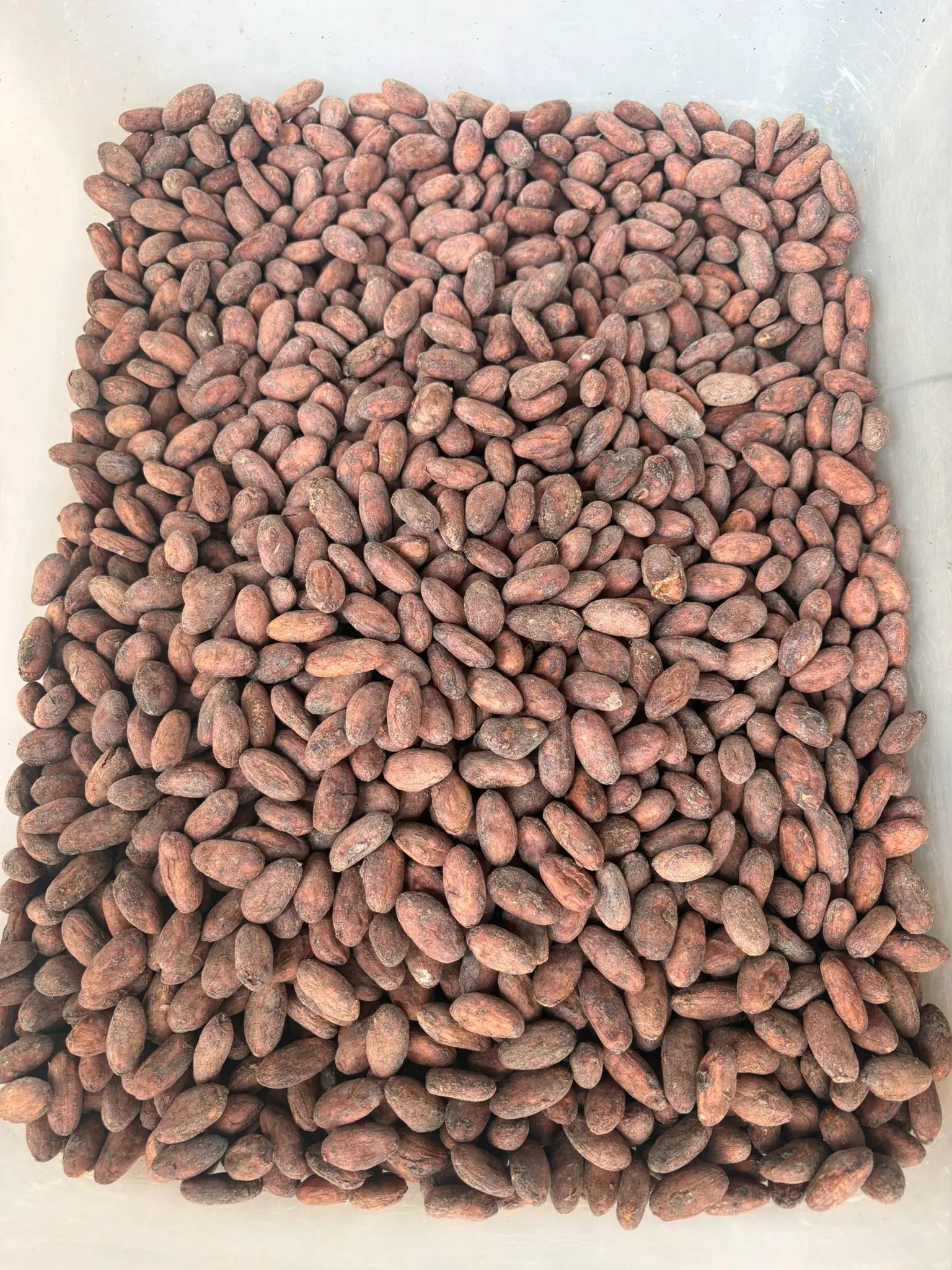
If you've ever been confused by “cacao” on a premium bag and “cocoa” on a supermarket tin, you're not alone. Both words describe the same fruit — but a completely different level of processing, with real consequences for nutrients and flavor.
| Feature | ✓ CACAO | ✗ COCOA |
|---|---|---|
| Processing | Natural fermentation + light roasting | Heavy roasting + alkalization (Dutch) |
| Antioxidants | High — up to 40× vs blueberry | Reduced by up to ~60% |
| Magnesium | High natural concentration | Greatly reduced |
| Flavor | Complex, fruity, earthy | Uniform, mild |
| Color | Natural brown | Dark brown (alkali effect) |
| pH | Acidic (5–6) | Neutral to alkaline (6–8) |
| Typical uses | Paste, nibs, beans, non-alkalized powder | Powder for industrial baking |
Minimally processed cacao retains its flavonoids, magnesium, iron and theobromine intact. Industrial cocoa sacrifices nutrients for a darker color and milder, more uniform flavor — ideal for mass production, not for health.
At Fundo Maranatha we sell true cacao from San Martín: fermented in wooden boxes, sun-dried and minimally processed. No alkalization. No additives. From tree to product.
View our products →