When we exercise, the body generates free radicals and oxidative stress as a byproduct of aerobic metabolism. Faster recovery, better blood flow during effort and less post-workout inflammation are the three fronts where cacao nibs —consumed regularly— show real evidence.
What the science says about cacao and performance
The central mechanism is nitric oxide (NO) production. Cacao flavanols stimulate the eNOS enzyme, which synthesises NO in the vascular endothelium. Nitric oxide relaxes vessel walls, resulting in greater vasodilation and therefore more oxygen and glucose reaching the muscle during exercise.
A clinical trial by Patel et al. (2015), published in the Journal of the International Society of Sports Nutrition, showed that cyclists who consumed flavanol-rich dark chocolate (equivalent to ~40 g/day for two weeks) increased their maximum oxygen uptake (VO2 max) and reduced oxygen cost at moderate intensity compared to the placebo group. Modest but statistically significant results —with no synthetic stimulants.
Three cacao nutrients every athlete should know
- Magnesium (~270 mg/100 g): key mineral for muscle contraction, ATP synthesis and cramp prevention. Deficiency is common in people who train intensely.
- Theobromine: mild, sustained stimulant alkaloid. Unlike caffeine, it does not produce cortisol spikes or anxiety —ideal for those who train in the afternoon or evening.
- Flavanols and polyphenols: potent antioxidants that neutralise the free radicals generated during exercise, reducing muscle damage and recovery time.
| Compound | Sports benefit | Optimal timing |
|---|---|---|
| Flavanols | Vasodilation → more oxygen to muscle (↑ VO2 max) | Pre-workout |
| Magnesium | ATP synthesis, muscle contraction, cramp prevention | Daily |
| Theobromine | Mild sustained energy, no cortisol spike | Pre-workout |
| Iron | Oxygen transport in blood (haemoglobin) | Daily |
| Polyphenols | Neutralise free radicals, reduce muscle damage | Post-workout |
Active mechanisms of pure cacao in the context of physical exercise
When and how to take it
One tablespoon of nibs (˜10–15 g) is enough for a functional dose of flavanols:
- Pre-workout (30–60 min before): combine them with a banana or in an oat smoothie. The magnesium and theobromine gently prime the system before the effort.
- Post-workout: add them to your yogurt or recovery protein. Their antioxidants act right when muscle oxidative stress reaches its peak.
No exaggerated amount is needed. Daily consistency —not a single high dose— is what the evidence supports.
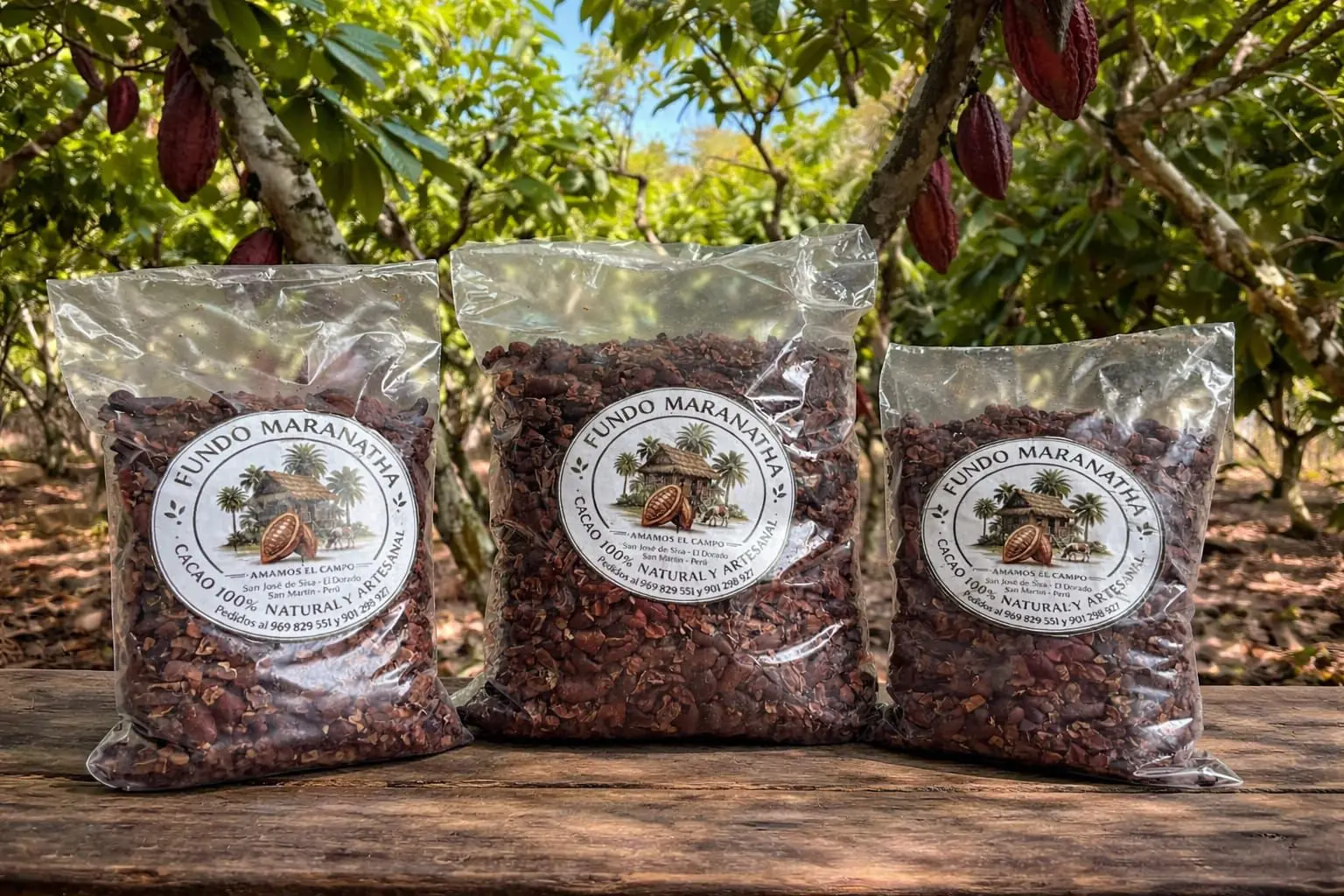
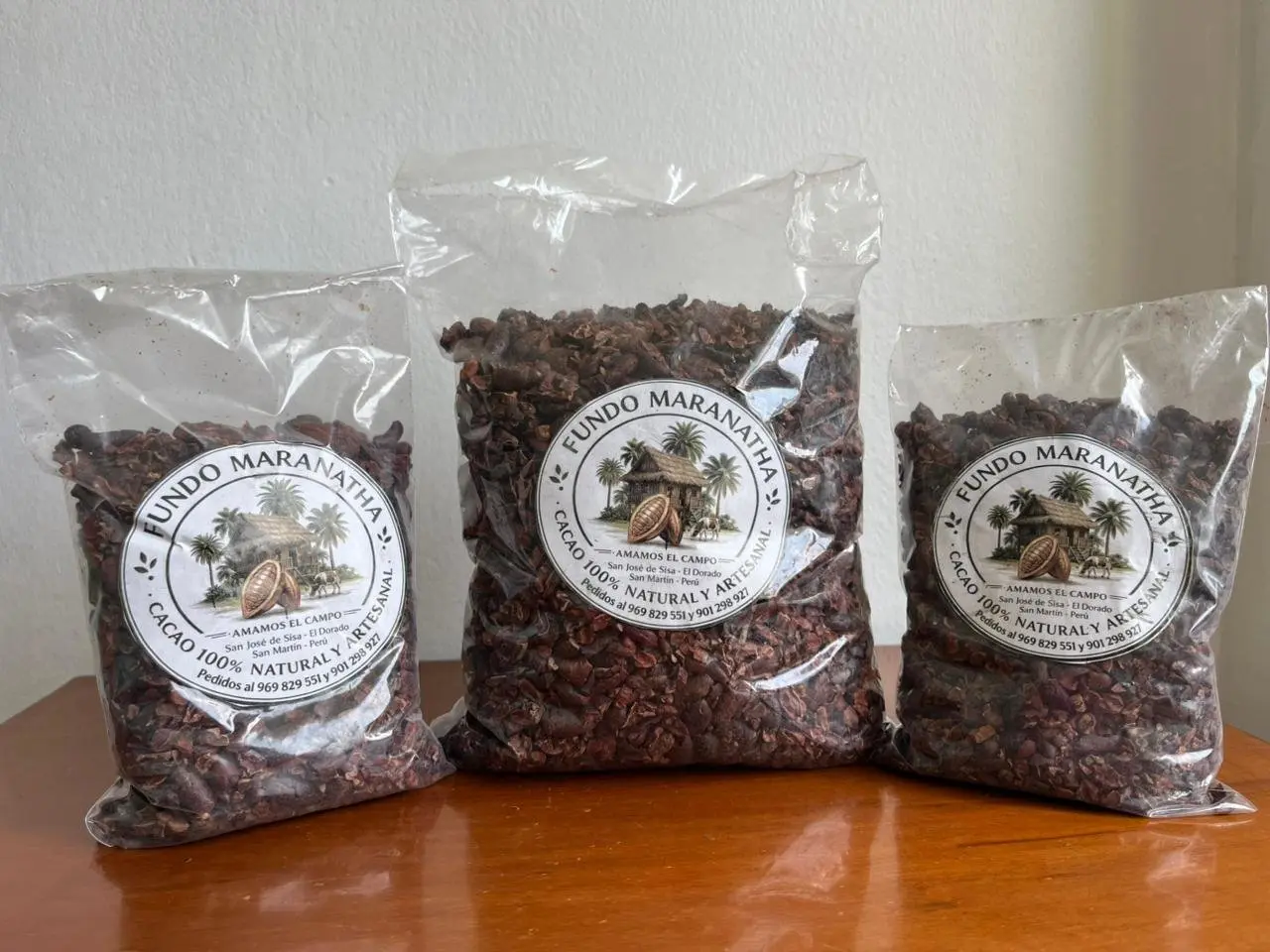
Cacao nibs from San Martín, additive-free
Our nibs are fermented, sun-dried and artisanally roasted on the farm. Full traceability, no sugar, no fillers.
Order cacao nibs Go to product →Note: this article is for informational purposes and does not replace guidance from a health or sports nutrition professional.