In the world of cacao, there is a fundamental distinction that very few consumers know about: not all cacao is the same. The International Cocoa Organization (ICCO) classifies cacao into two broad categories: bulk cacao (also called ordinary or Forastero) and fine flavor cacao. The difference is not just about price — it is about complexity, history and how it is grown.
Peru is, along with Ecuador, the world's largest producer of fine flavor cacao. Estimates suggest it accounts for between 36% and 75% of global production in this category, depending on the source and year. This makes Peru a cacao powerhouse that the artisan chocolate world has very much in its sights.
What exactly is fine flavor cacao?
The term "fine flavor" describes cacao with a complex, differentiated flavor profile — notes that can include fruit, flowers, nuts, caramel, spice and wood, depending on the variety and fermentation process. It is the type of cacao that artisan chocolatiers use to make single-origin bars — known as bean-to-bar — sold at premium prices in Europe, Japan and the United States.
In contrast, bulk cacao — which accounts for 80% of the world's cacao, mainly from Ivory Coast and Ghana — has a flatter, more uniform flavor profile. This is the cacao used by large chocolate manufacturers, who add sugar, powdered milk and other ingredients to create the flavor we know in commercial bars.
The varieties behind fine flavor cacao
Fine flavor cacao comes primarily from two genetic varieties:
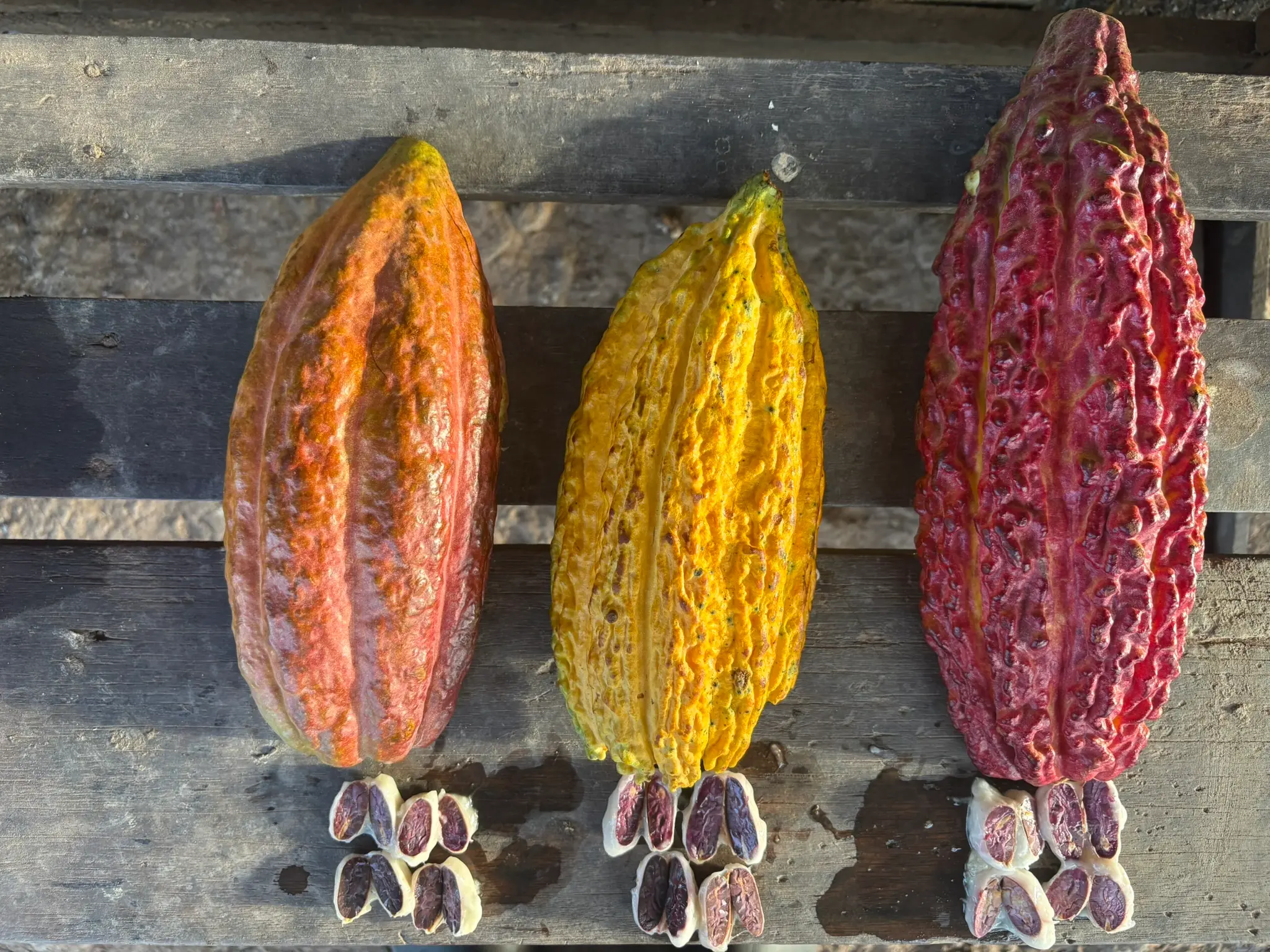
- Criollo: the oldest and most aromatically complex variety. Considered the jewel of cacao, it produces white or light violet beans. Very delicate and difficult to grow, which makes it rare.
- Trinitario: a natural hybrid between Criollo and Forastero, originating in Trinidad in the 18th century. It combines the robustness of Forastero with the aromatic richness of Criollo. It is the dominant variety in San Martín.
Forastero — the base of bulk cacao — is the third main variety, valued for its high productivity and disease resistance, but with far less flavor complexity.
Why Peru produces the finest flavor cacao
Three factors converge to make Peru — and San Martín in particular — an exceptional territory for fine flavor cacao:
1. Privileged geography and climate
San Martín region is located in the Amazonian high jungle, between 500 and 1,500 meters above sea level. This altitude — known as yungas — creates warm days and cool nights that slow the plant's metabolism and concentrate aromatic compounds in the bean. Average temperatures range from 22 to 26°C, with high humidity and well-distributed rainfall throughout the year.
2. Genetic biodiversity
The Peruvian Amazon is the center of origin of cacao. Wild populations of Theobroma cacao grow here with a genetic diversity found nowhere else in the world. This genetic richness translates into unique, unrepeatable flavor profiles.
3. Artisan fermentation tradition
Fermentation is the process that releases flavor precursors. In San Martín, many producers — including Fundo Maranatha — carry out fermentation in wooden boxes for 7 days, turning the beans periodically. This artisan process, when done well, is what transforms ordinary cacao into something extraordinary.
How to recognize fine flavor cacao when buying
When buying dry cacao beans, there are signs to look for:
- A well-fermented bean has a uniform brown color inside (when you cut it open). A dark purple or black interior indicates insufficient fermentation.
- The aroma should be complex and pleasant — notes of chocolate, nuts or flowers. A low-grade bean smells acidic or of vinegar.
- Origin matters: look for traceability. Knowing the region, the variety and who produced it is a guarantee of quality.
Dry cacao beans from San Martín — direct from the producer
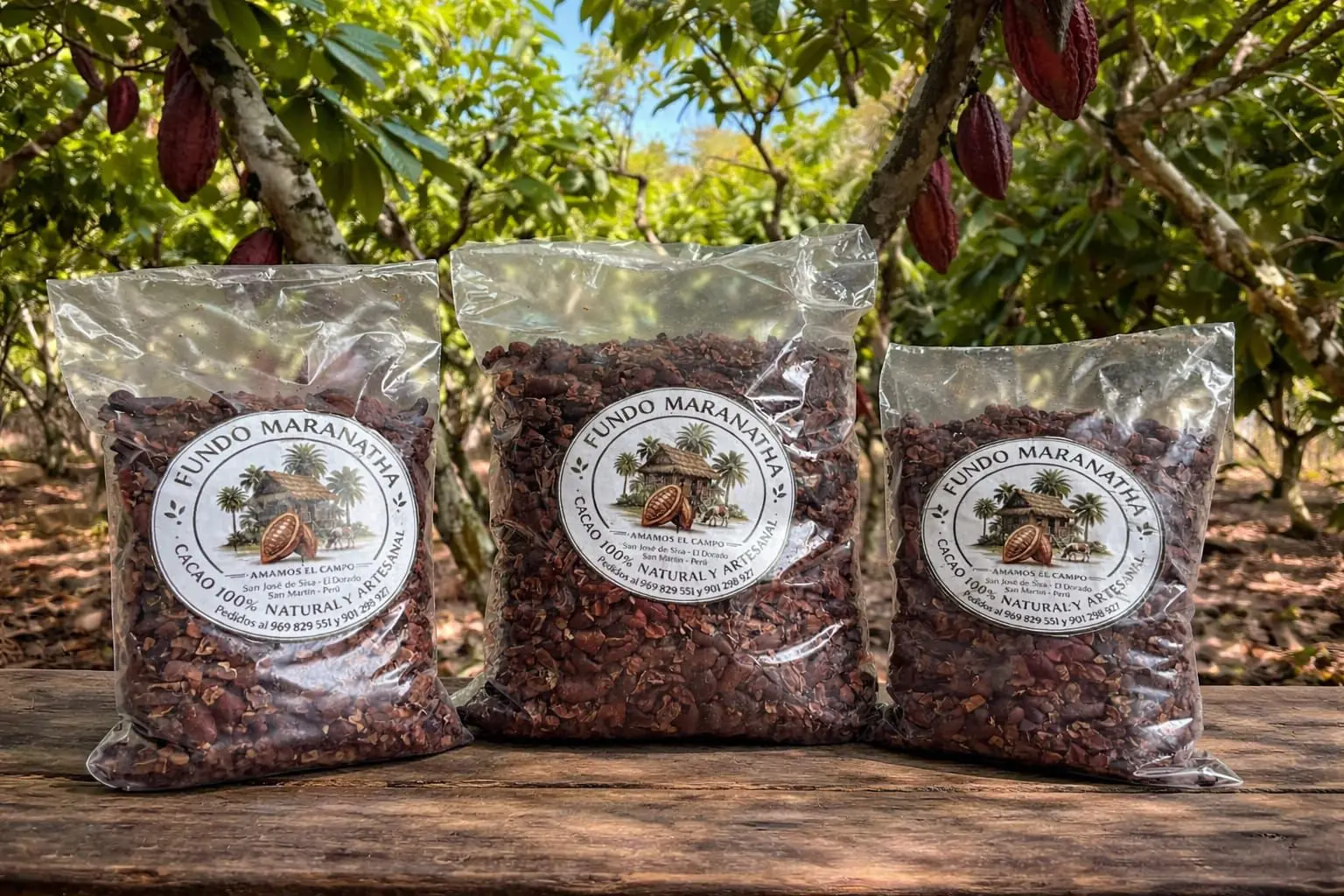
At Fundo Maranatha we grow cacao fermented in wooden boxes and sun-dried in San José de Sisa. Full traceability, no middlemen. Available from 1 kg to 300 kg.
Ask about price and availability Go to product →The future of Peruvian fine flavor cacao
Peruvian fine flavor cacao is increasingly recognized in the international artisan chocolate market. Events such as the Salon du Chocolat in Paris and the Fine Chocolate Industry Association in the United States consistently highlight San Martín cacao as among the best in the world.
For local producers, this means better prices, greater recognition and the possibility of building their own brands. At Fundo Maranatha we believe in that value chain: from tree to final product, with no middlemen diluting the story behind every bean.
If you'd like to learn more about our production process, visit our About page or write to us directly on WhatsApp.