Roasting cacao at home is simpler than it sounds, and it completely transforms the bean's flavor profile: it releases the aromas that fermentation and drying have developed, reduces residual moisture, and makes the husk separate easily. If you have dry, fermented cacao beans, you are one step away from fresh nibs, homemade cacao paste, or simply roasted beans to eat directly.
What you need
- Dry, fermented cacao beans (such as those from Fundo Maranatha)
- Conventional oven or heavy-bottomed pan
- Baking tray (if using oven)
- Kitchen thermometer (recommended, not essential)
- Wooden spoon or spatula for stirring
- Sieve or colander to remove the husk
Roasting temperature
Temperature is the most critical parameter. Too low and the aromas don't develop; too high and the volatile compounds that give complexity to the flavor burn off.
The two main methods
- 1
Preheat the oven120–135°C
Lower temperatures give a lighter, fruitier roast; higher temperatures produce darker, more intense notes. For a first roast, start at 120°C (250°F).
- 2
Spread beans in a single layer
Use a baking tray with parchment paper. Don't pile them up: direct contact with heat is what does the work.
- 3
Roast for 20–30 minutes
The first 15 minutes are usually quiet. After that you'll hear light crackling (residual moisture leaving). Open every 8–10 min and move the beans.
- 4
Watch the bean's signals
See the 4 readiness signals below. If the beans start smelling burnt, remove immediately.
- 5
Cool quickly on a cold surface
Transfer beans to a cold counter or another tray. Roasting continues with residual heat — don't leave them on the hot tray.
- 1
Heat a heavy-bottomed pan over medium-low heat
A heavy-bottomed pan distributes heat evenly. Don't overheat it before adding the beans.
- 2
Add beans in a single layer
Don't pile them up. Work in batches if you have a large quantity.
- 3
Stir constantly (15–25 min)
Use a spatula or wooden spoon. Constant movement is the key to even roasting and avoiding spot burns.
- 4
Read the bean's signals
Same 4 signals as the oven method: aroma, sound, color, texture. The pan gives you more visual control over each bean.
- 5
Remove and cool quickly
Transfer to a cold surface immediately. The accumulated heat in the pan can keep roasting if you don't remove them.
How to know when it's done? The 4 key signals
Optimal roasting is recognized by 4 simultaneous indicators:
Aroma
Shifts from "raw cacao" to a deep, roasted chocolate smell
Sound
Light crackling sound: residual moisture leaving the bean
Color
Interior has darkened evenly when you cut a bean open
Texture
Snaps cleanly when pressed — no softness, no pastiness
How to remove the husk (winnowing)
Once cooled, de-husking is straightforward:
- Rub the beans between your hands to loosen the husk.
- Place them in a bowl and blow gently (or use a small fan) while moving them — the lighter husk will blow away while the nibs stay in the bowl.
- For a cleaner result, pass them through a fine mesh sieve.
💡 Yield Note (Weight Loss): When roasting and peeling cacao, it is completely normal to lose between 20% and 25% of the initial weight due to moisture evaporation and husk removal. If you roast 1 kg of raw cacao, you will get approximately 750g - 800g of pure nibs.
What you get are homemade cacao nibs: pure, fresh and with the aroma of your personalized roast.
What to do with your roasted cacao
- Eat directly: nibs are a nutritious, energizing snack.
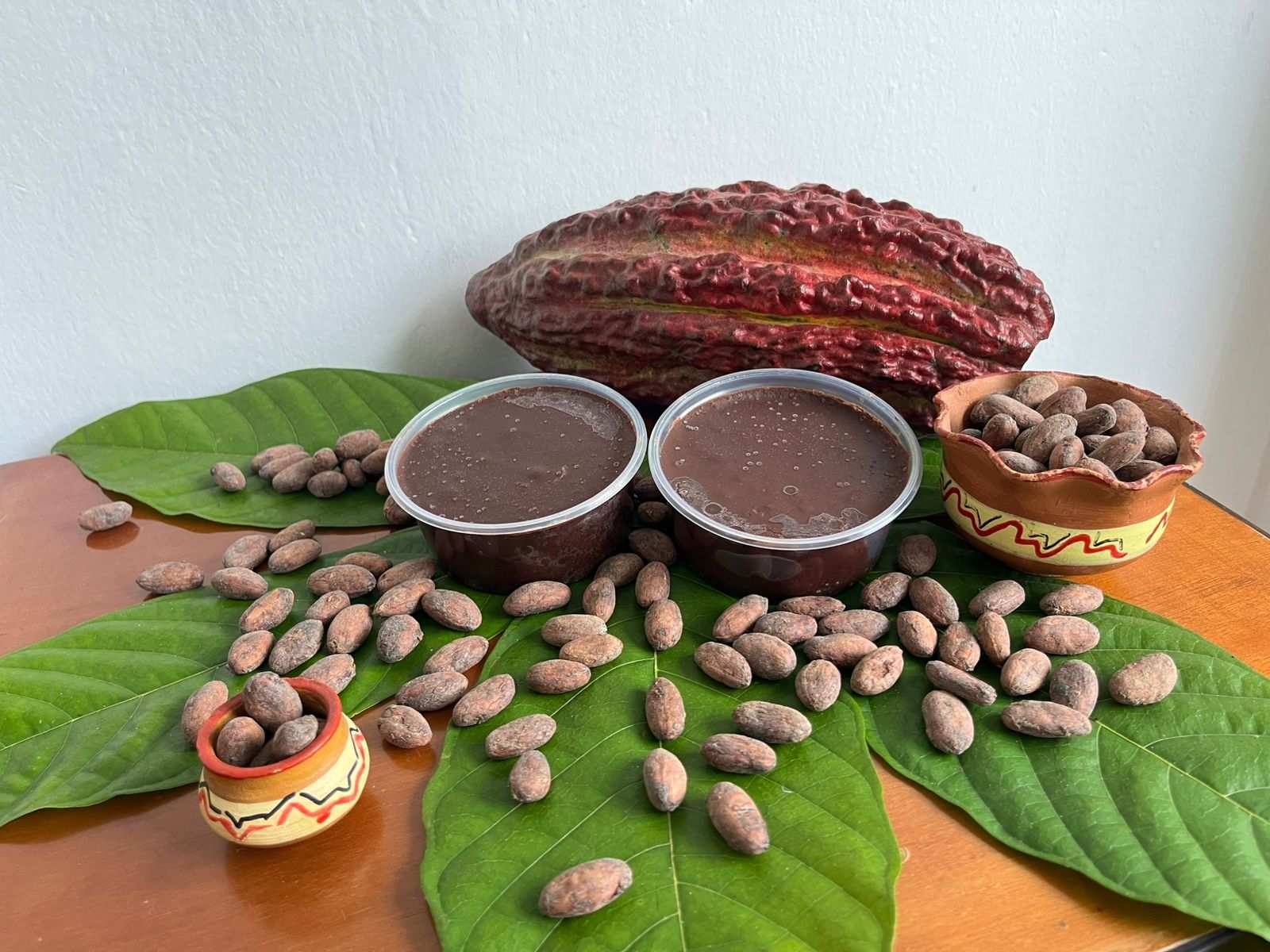
- Grind into paste: process nibs in a powerful food processor for 10–15 min until a dense paste forms. That is homemade cacao paste.
- Add to recipes: granola, brownies, yogurt, oatmeal, smoothies.
- Make chocolate: with the paste you can make artisan dark chocolate by adding a sweetener.
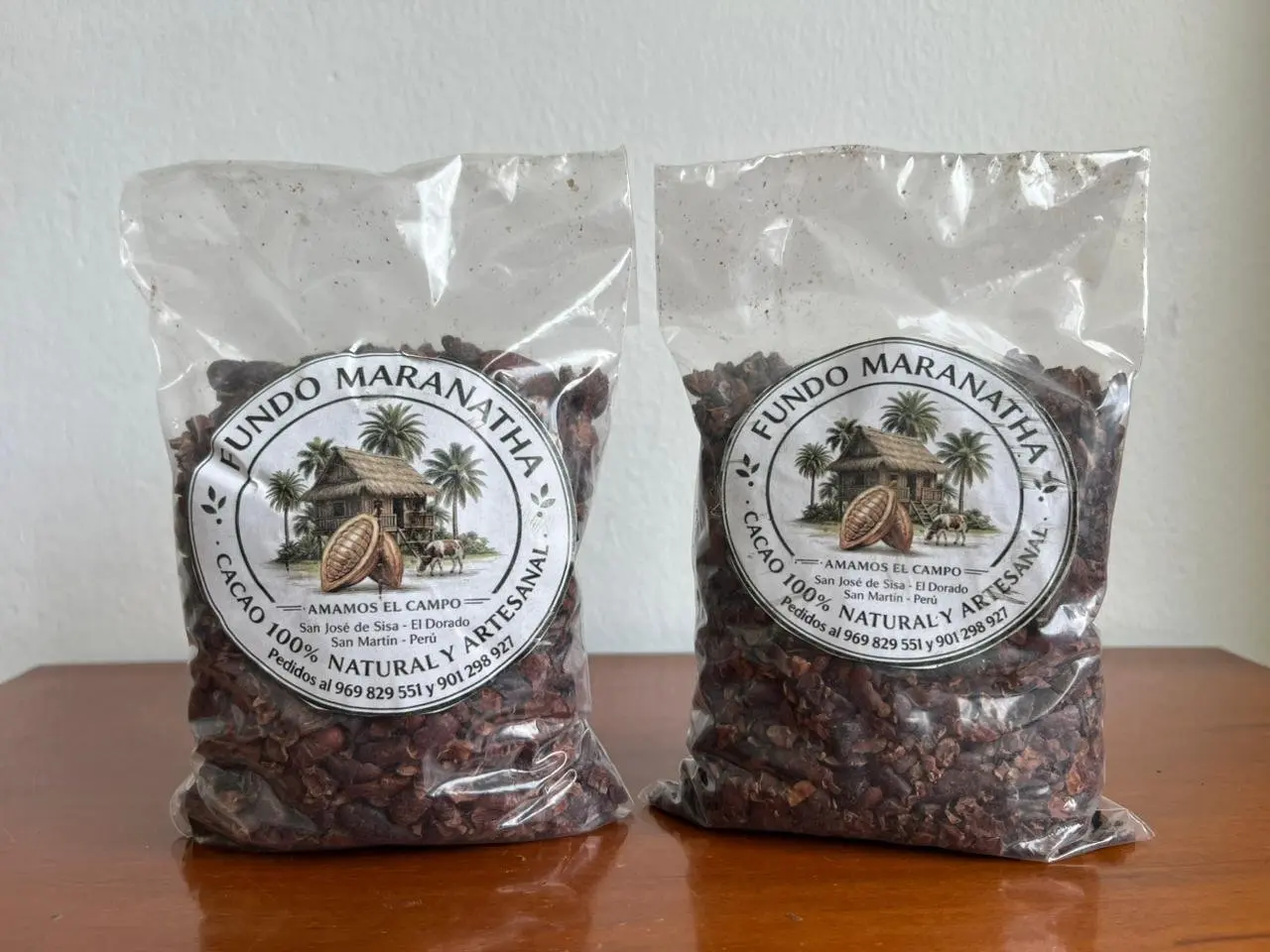
Our products at every stage of the process
Whether you want to roast yourself or skip ahead, we have the right format:
Dry cacao beans
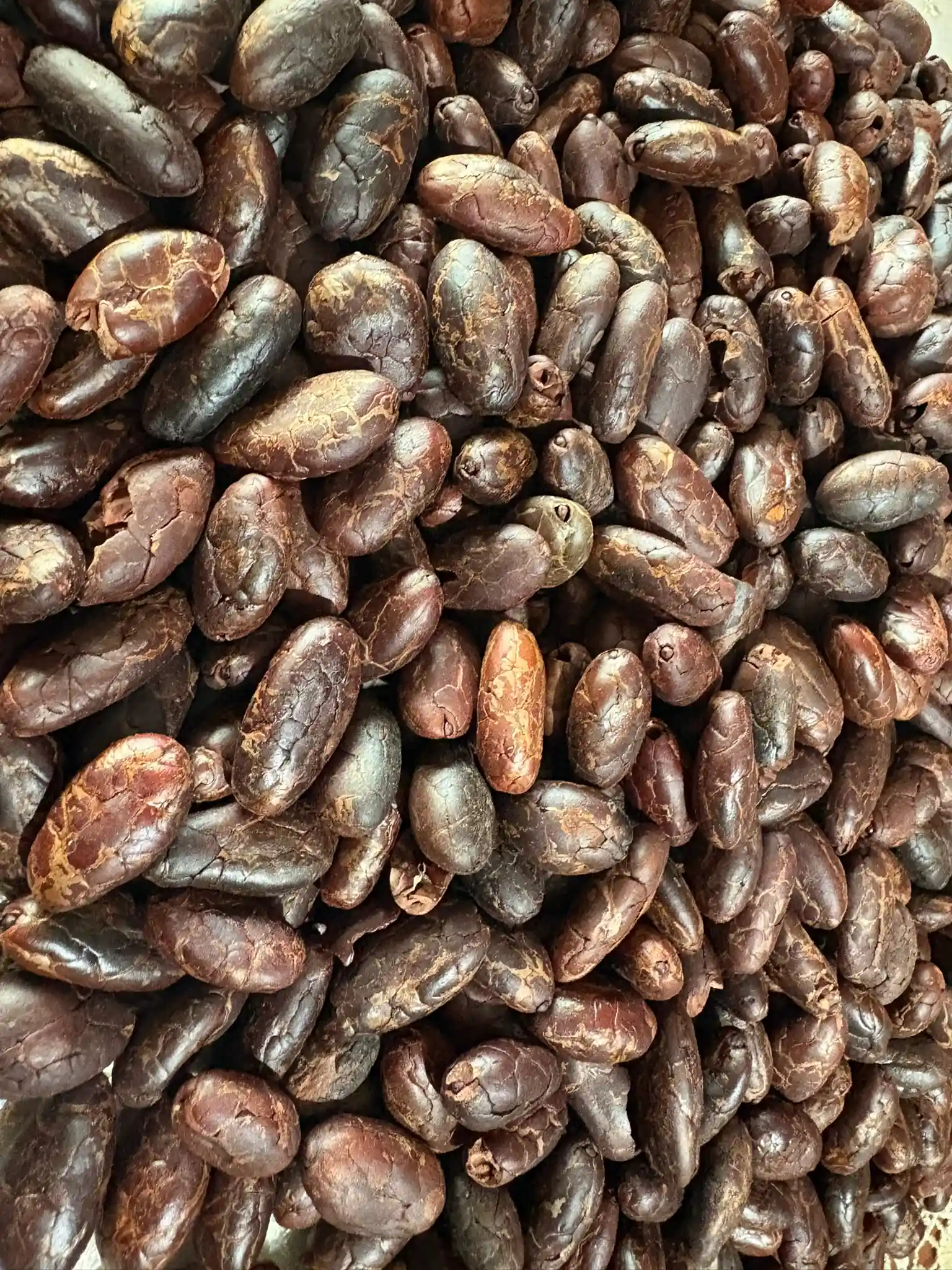
from San Martín, fermented and sun-dried. To roast and personalize at home.
See product →Roasted peeled cacao
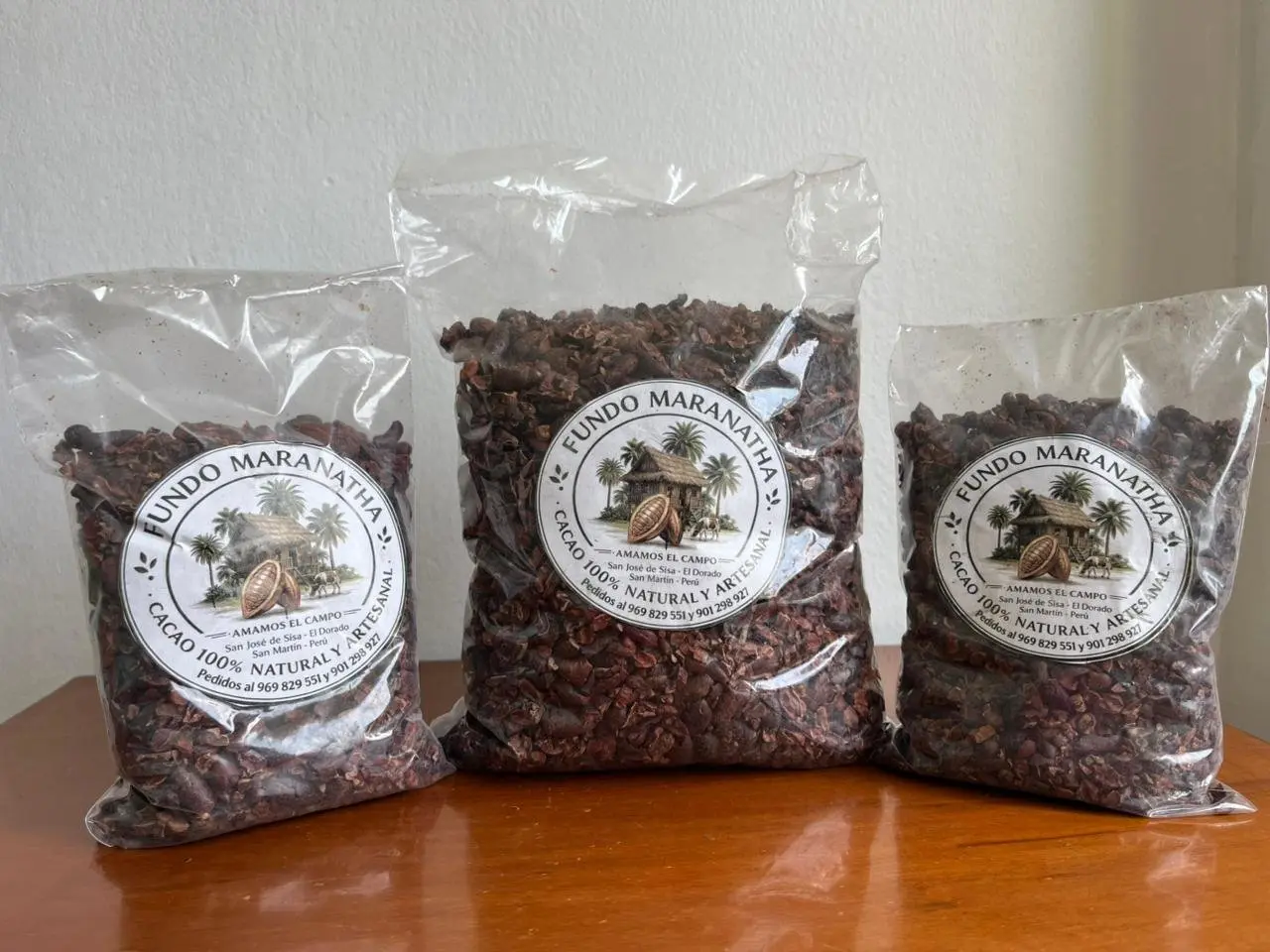
Artisanally roasted and hand-dehusked. Ready to eat, grind into paste or use in recipes.
See product →Dry cacao beans — ready to roast at home
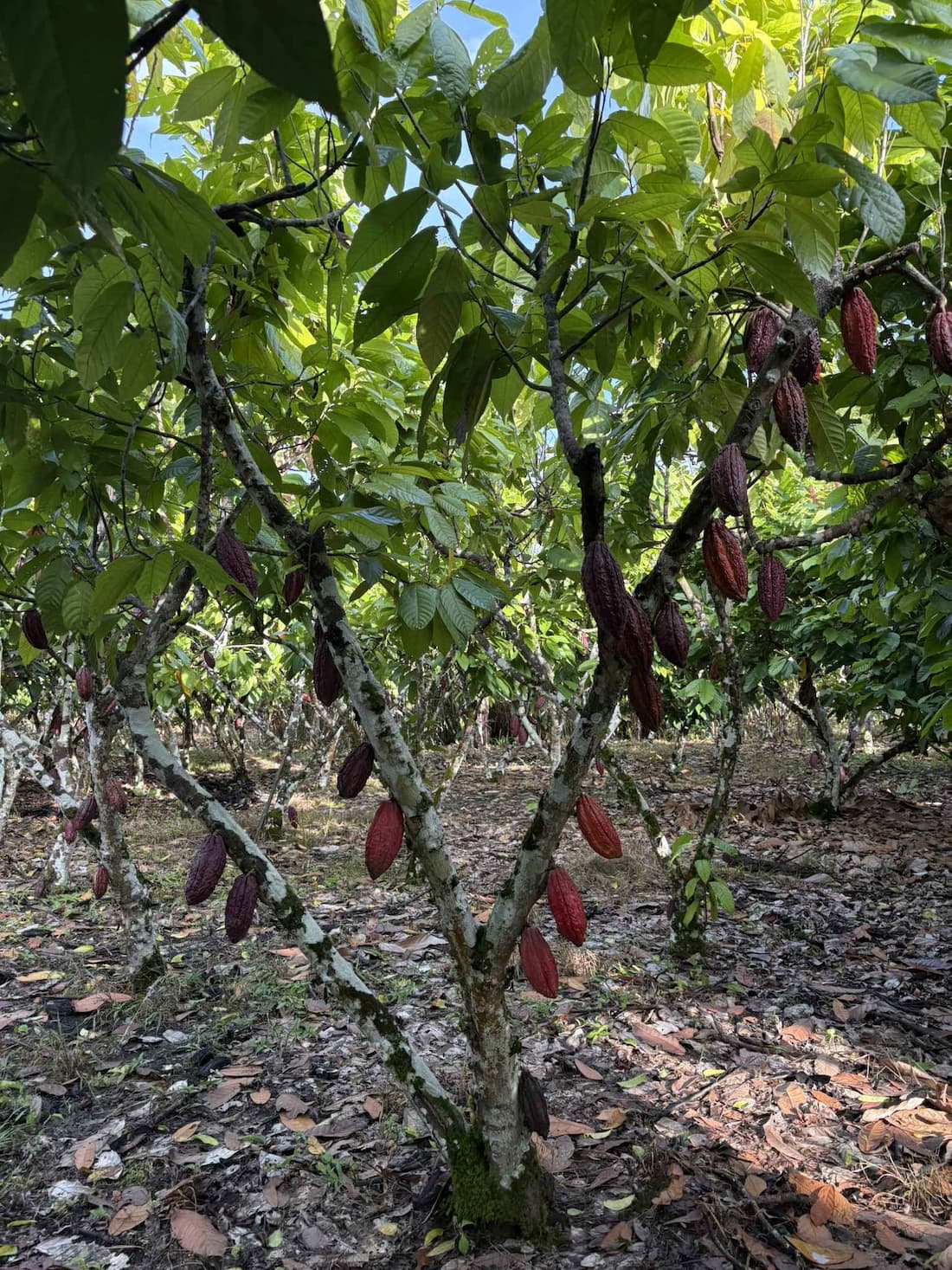
Our dry cacao beans are from San José de Sisa, fermented and sun-dried at the farm. Full traceability, consistent quality. Available in 1 kg, 5 kg, 10 kg and larger.
Order dry cacao beansGo to product →Common mistakes when roasting cacao at home
First roast? These are the 4 most common mistakes and how to avoid them:
Temperature too high
Burns the outside before the inside is done. Cacao needs moderate heat and time, not intense heat.
Not stirring the beans
Unstirred beans roast unevenly. Move them every 8–10 min in the oven, or constantly in a pan.
Not cooling quickly
Roasting continues with residual heat. Transfer to a cold tray immediately to lock in the exact roast level.
Using unfermented cacao
Roasting cannot compensate for poor fermentation. Final aroma and flavor depend on the bean's quality going in.
If you'd rather skip the process and use already-roasted and peeled cacao, at Fundo Maranatha we also offer roasted peeled cacao ready to eat or grind.