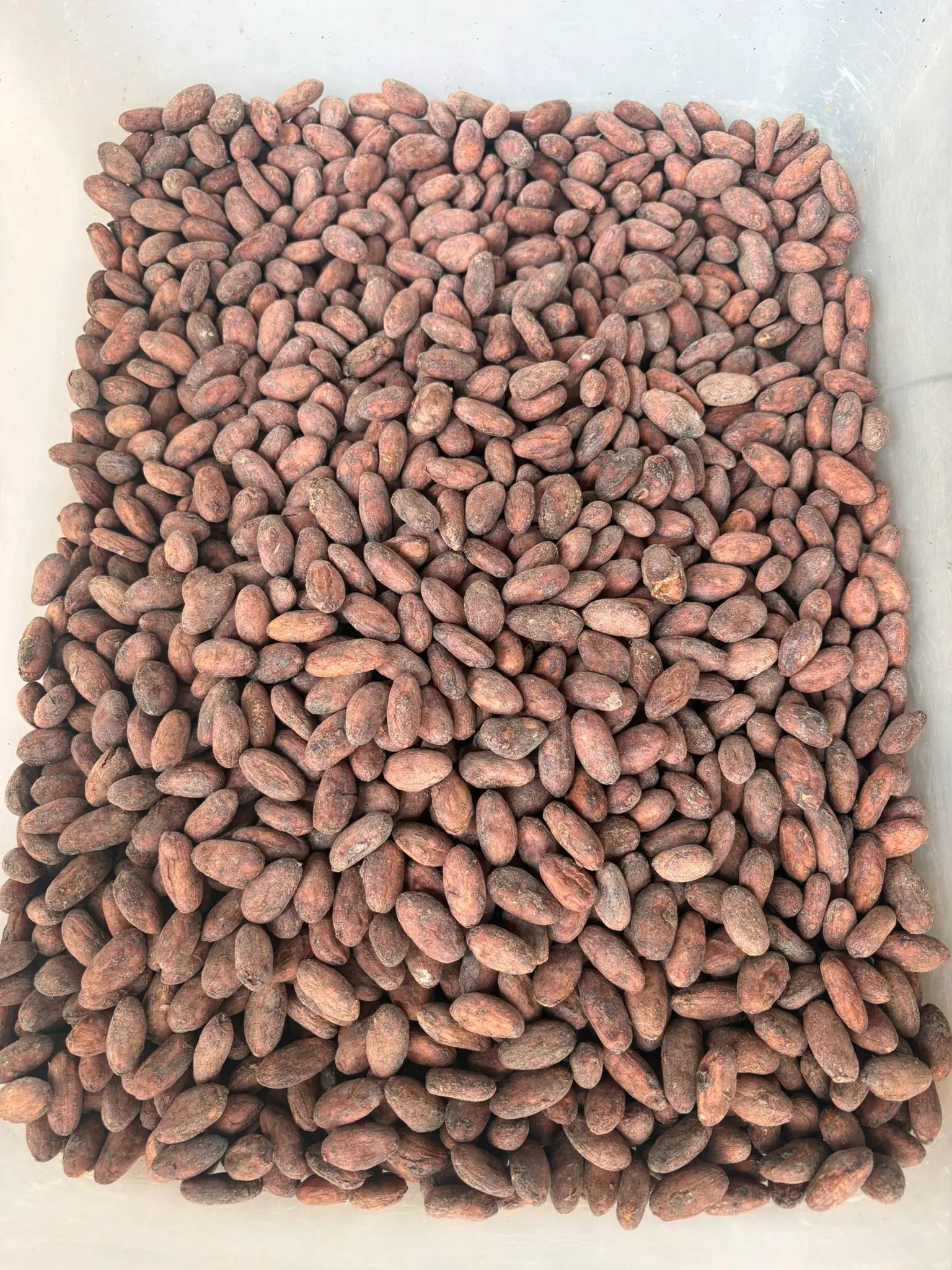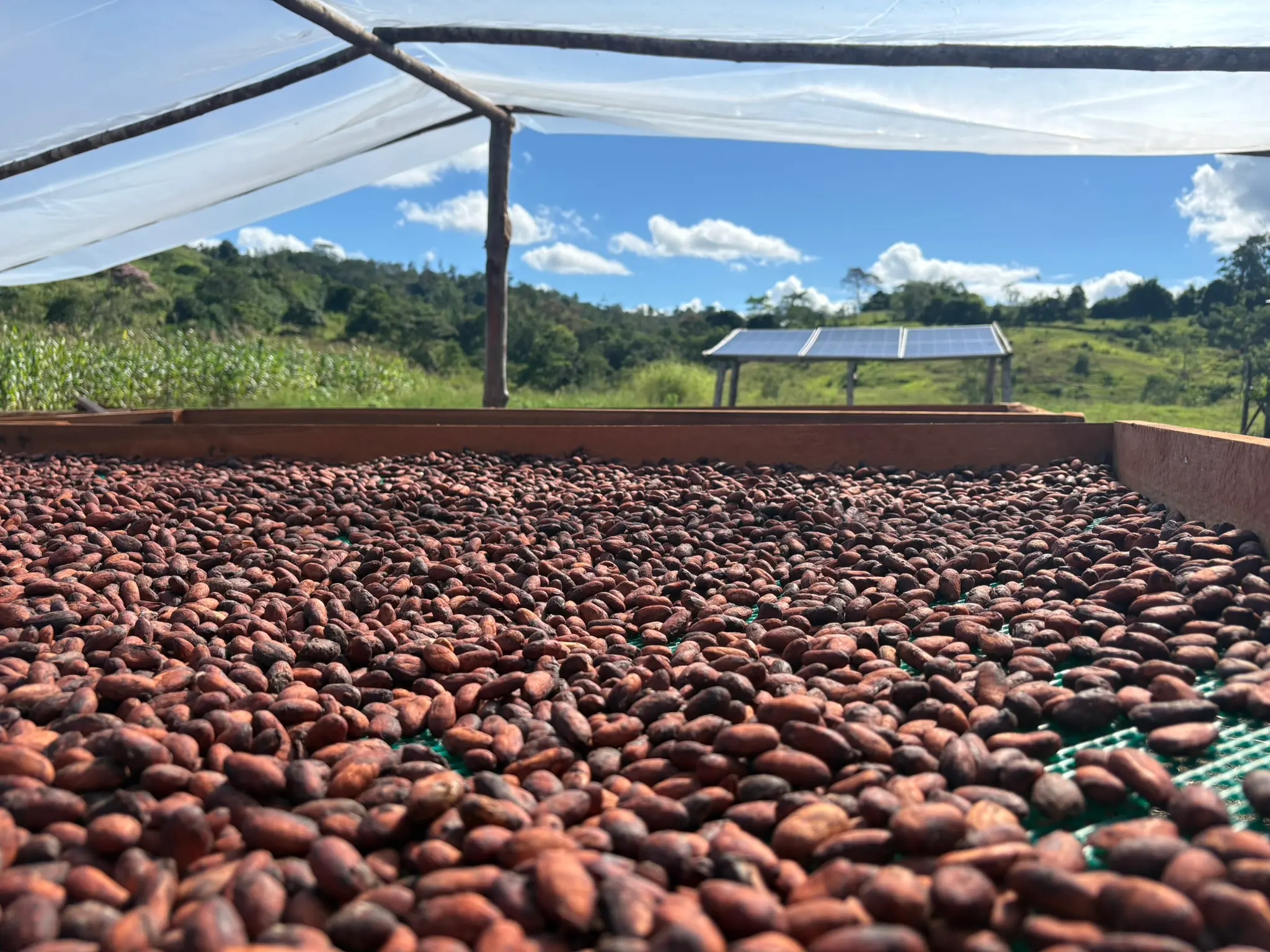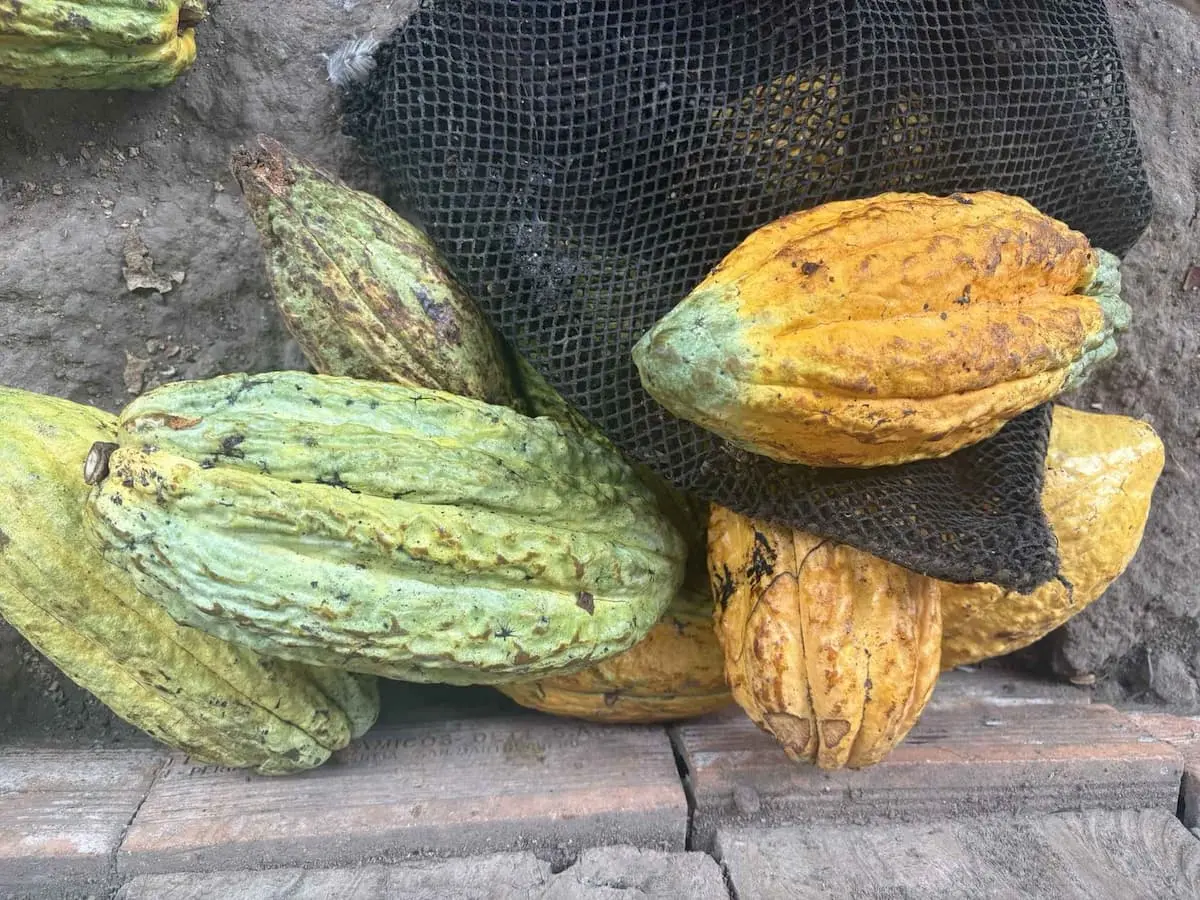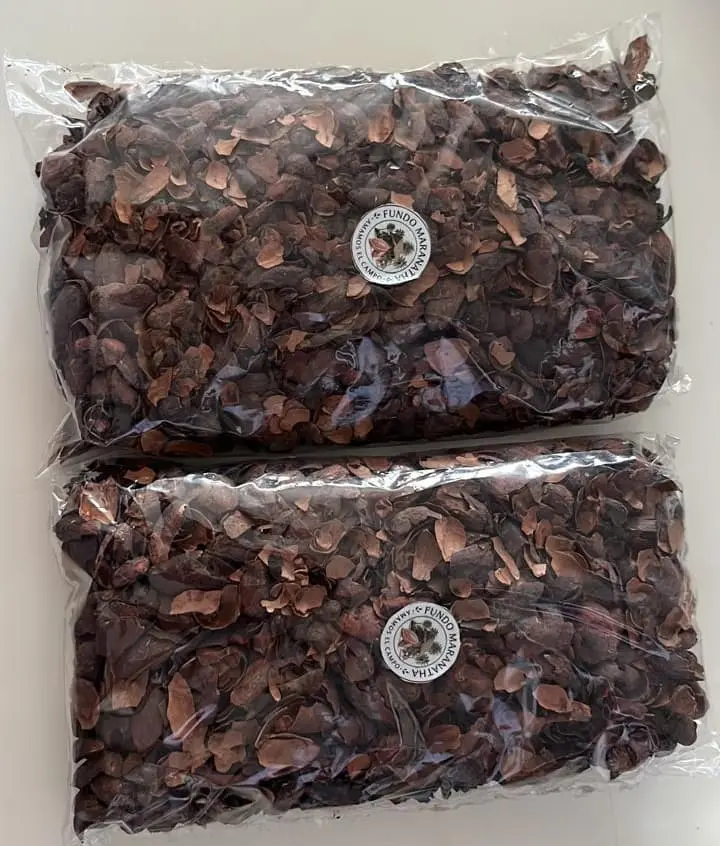
Cacao roasting produces a by-product almost nobody uses: the cascarilla — the thin outer skin of the bean. It's light, aromatic and packed with theobromine and antioxidants. Brew it like tea for a deep dark-chocolate flavored drink, caffeine-free and warming.
What is cacao husk?
When cacao beans are roasted, the outer skin separates from the inner nib. During artisan processing, this skin — called cascarilla in Spanish — is removed by hand through winnowing. Industrially it's discarded or composted. A missed opportunity: the husk concentrates theobromine, polyphenols and a deep cacao fragrance.
In producing regions of Peru, Colombia and Mexico, cascarilla tea is a traditional drink known as "agua de cacao". Today it's gaining international popularity as an alternative to coffee or black tea.
Three ways to brew cacao husk
- Use 1 heaped tablespoon (≈8–10 g) of husk per 250 ml water.
- Heat water to 90–95 °C (just below boiling) to avoid bitterness.
- Add the husk and steep 5–7 minutes covered.
- Strain and serve. Sweeten with raw honey or enjoy plain.
- Mix 15 g of husk with 500 ml filtered cold water.
- Cover and refrigerate 8–12 hours (overnight works perfectly).
- Strain through a fine mesh or cloth filter.
- Serve over ice. Add oat or almond milk if you like.
- Baking: replace water in brownie, cake or sauce recipes with concentrated cascarilla infusion (double-strength).
- Granola and oats: add dry husk directly as a crunchy cacao-flavored topping.
- Smoothies: use cold brew as the liquid base of your morning smoothie.
- Savory sauces: cascarilla complements meat marinades and mole-style sauces.
Cacao husk vs other hot drinks
| Drink | Caffeine | Theobromine | Antioxidants | Flavor |
|---|---|---|---|---|
| 🍫 Cacao husk | Minimal | High | Very high | Soft chocolate, earthy |
| 🍵 Green tea | Medium | None | High | Vegetal, lightly bitter |
| ☕ Black coffee | High | Traces | Medium | Intense, bitter |
| 🌼 Chamomile | Zero | None | Medium | Floral, mild |
| 🫖 Black tea | Medium-high | Traces | Medium | Astringent, robust |
More uses for cacao husk
Hot tea
The classic preparation, ready in 5 minutes.
Cold brew
Refreshing, smooth, no bitterness.
Baking
Liquid base with pure cacao flavor.
Granola
Crunchy cacao-scented topping.
Compost
Leftovers enrich garden soil naturally.
Steam bath
Cacao aroma in your wellness ritual.
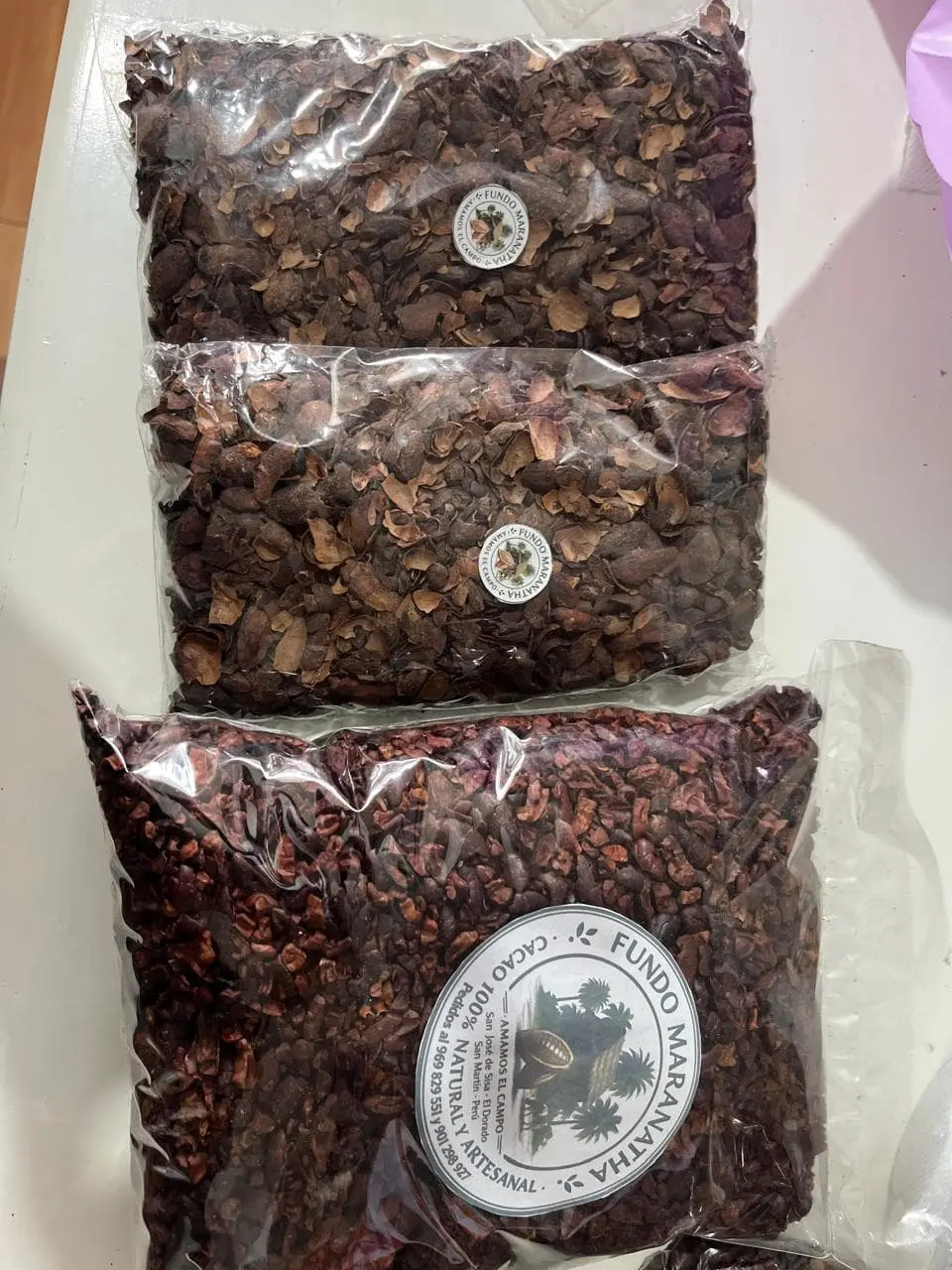
Try cascarilla from San Martín fine-flavor cacao
Now available as our own product. Artisan cacao husk from our roasting process in San Martín — fully traceable from bean to husk. Sizes: 500 g (S/ 6) and 1 kg (S/ 10). No additives, no sugar.
Buy cacao husk View product →Note: cacao husk contains traces of theobromine. Not recommended for pets (dogs and cats are sensitive to theobromine). No documented contraindication for adult human consumption at normal doses.