Keep reading
History · Culture
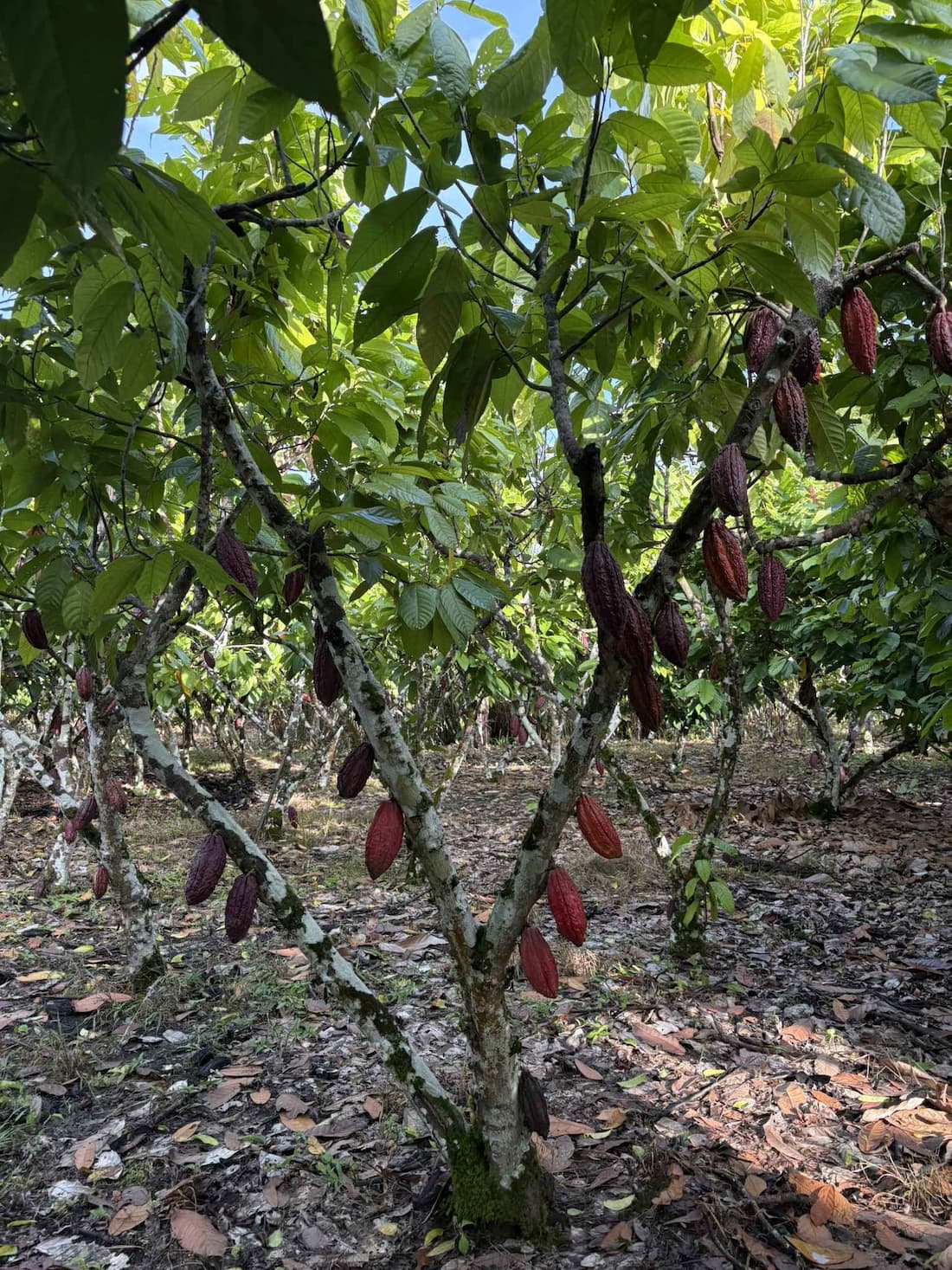
Cacao did not arrive in Peru from elsewhere. It has been part of the Amazonian landscape since before the names we use today even existed. In the humid valleys and forests of the high jungle, the cacao tree (Theobroma cacao) grew wild for millennia, long before any culture cultivated it systematically. Understanding that history — long, discontinuous and full of leaps — is also understanding why Peru today is one of the most diverse and highly regarded cacao-producing countries in the world.
For decades it was believed that cacao had been domesticated originally in Mesoamerica, in the area of Mexico and Guatemala. Genetic research over the last decade has reversed that idea: the center of greatest genetic diversity of the genus Theobroma is found in the upper Amazon basin, in what is today the borderland between Peru, Ecuador and Colombia.
The Amazonian peoples who inhabited those zones — long before any contact with Andean or Mesoamerican civilization — knew the tree and consumed the sweet pulp that surrounds the seeds. Not the fermented, roasted bean we call cacao today: the white, sugary and slightly acidic pulp covering each seed was the valued food. That pulp was drunk fresh, fermented into mildly alcoholic drinks, or used as an energy source during journeys through the jungle.
The leap to consuming the bean — fermented, dried and roasted — came later, possibly developed by Mesoamerican cultures who eventually carried the knowledge back south. But the tree itself is Peruvian-Amazonian at its deepest origin.
Cacao did not originate in Mexico — genetic research confirms the opposite: the Peruvian Amazon is the center of origin of the genus Theobroma, long before any Mesoamerican civilization.
Unlike the Maya and Aztecs, who turned cacao into a symbol of political and religious power — currency, offering, elite drink — the Andean cultures of pre-Columbian Peru did not document such a centralized use of the bean. Inca dominion extended toward the jungle, but the high jungle zone where cacao grows was not the productive heart of the Tahuantinsuyo.
However, there is evidence that Amazonian peoples who were tributary to the Empire, as well as the ethnic groups of the cloud forest edge — such as the Chanka, the Lamistas, and Awajún groups — knew and regularly used cacao. What did not exist was an organized large-scale cultivation system: the tree grew in its natural environment and peoples harvested its fruits directly from the forest.
When the Spanish arrived in the 16th century, they encountered chocolate in Mexico and exported it to Europe as a luxury drink. Colonial Peru produced cacao — in Huánuco, Ayacucho and San Martín — but its export routes were harder than those of Venezuela or Ecuador, and its share of global trade remained marginal. After independence in 1821, the high jungle of San Martín began hosting more organized cacao plots, intercropped with plantain and cassava, the origin of the model that characterizes Peruvian cacao families today.
The 20th century brought instability: West African competition (Ghana, Ivory Coast, Nigeria) pushed American producers out of volume markets from the 1930s onward. The hardest blow came in the 1970s–80s: massive coca expansion in the Alto Huallaga and San Martín, combined with terrorism and drug trafficking, left entire regions unsafe. Recovery came in the 1990s through crop substitution programs funded by the Peruvian government, USAID and the European Union. Cacao returned to the farms.
From 2000 onward, Peru began building a different reputation in the international market. Not as a volume supplier — that space was already occupied by Africa — but as a source of high-quality cacao with unique aromatic profiles.
Four factors made it possible:
San Martín produces more than 40% of Peru's cacao. The Sisa valley — where San José de Sisa, home of Fundo Maranatha, is located — is one of its oldest cacao enclaves: ~800 m altitude, the Sisa River microclimate and secondary forest that contributes a unique flora of fermentation yeasts and bacteria. The result is a cacao with fruity, floral notes and a clean acidity that high-end chocolatiers recognize and seek out.
The history of Peruvian cacao is also the history of knowledge passed down through generations: knowing when to harvest the pod, fermenting correctly in wooden boxes, controlling drying time. Each stage — harvest, fermentation, drying — leaves a mark on the final flavor. A poorly fermented cacao cannot be rescued by good roasting; an excellently processed one arrives at the chocolatier with an aromatic potential that industrialized bulk cacao simply cannot match.
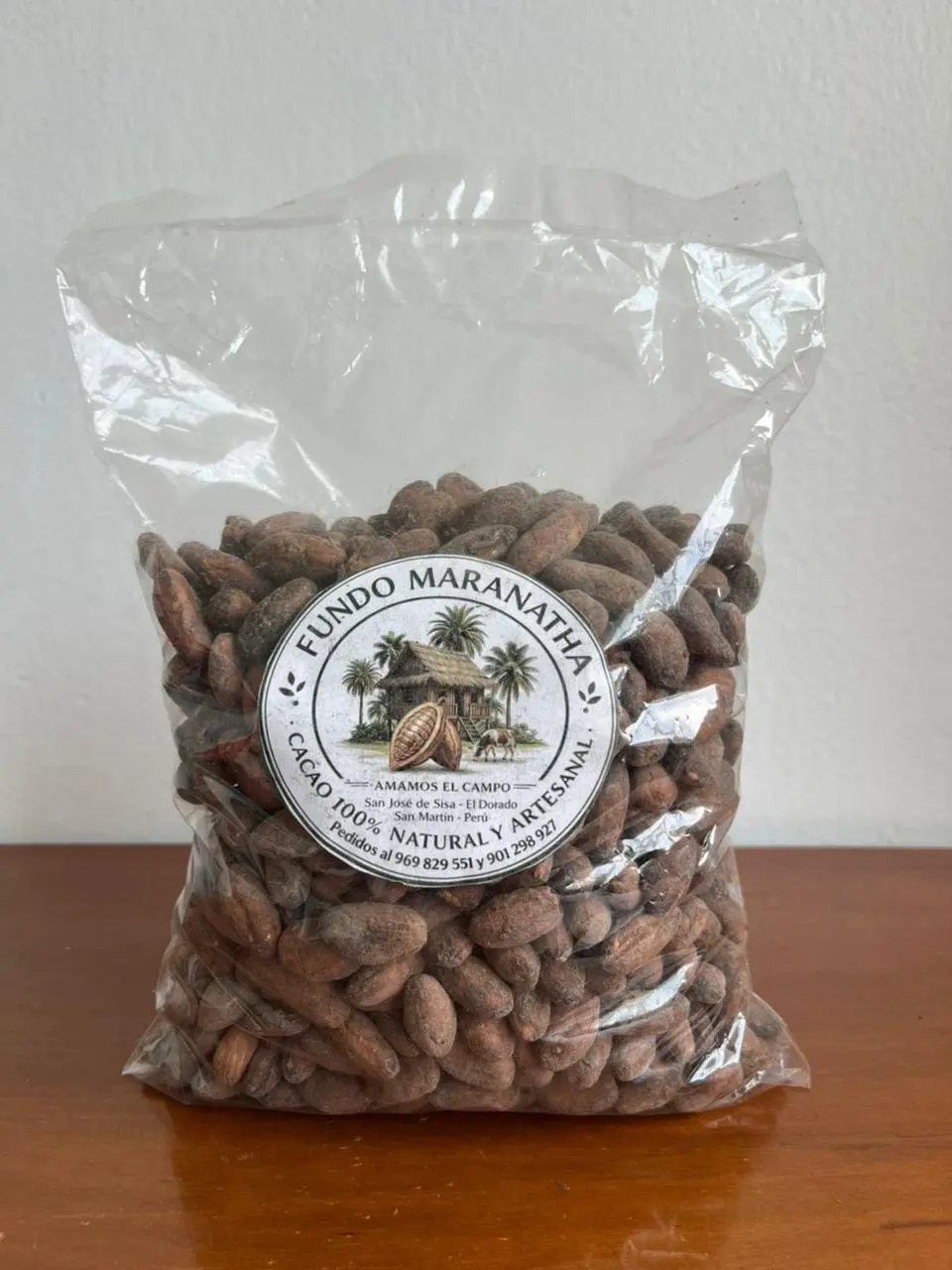
At Fundo Maranatha, every batch that leaves San José de Sisa carries that history. The Trinitario beans fermented in wood and sun-dried at the farm are the direct result of that long journey: from the original Amazonian forests to the hands of the producer who today tends every stage of the process with the same care as those who came before.
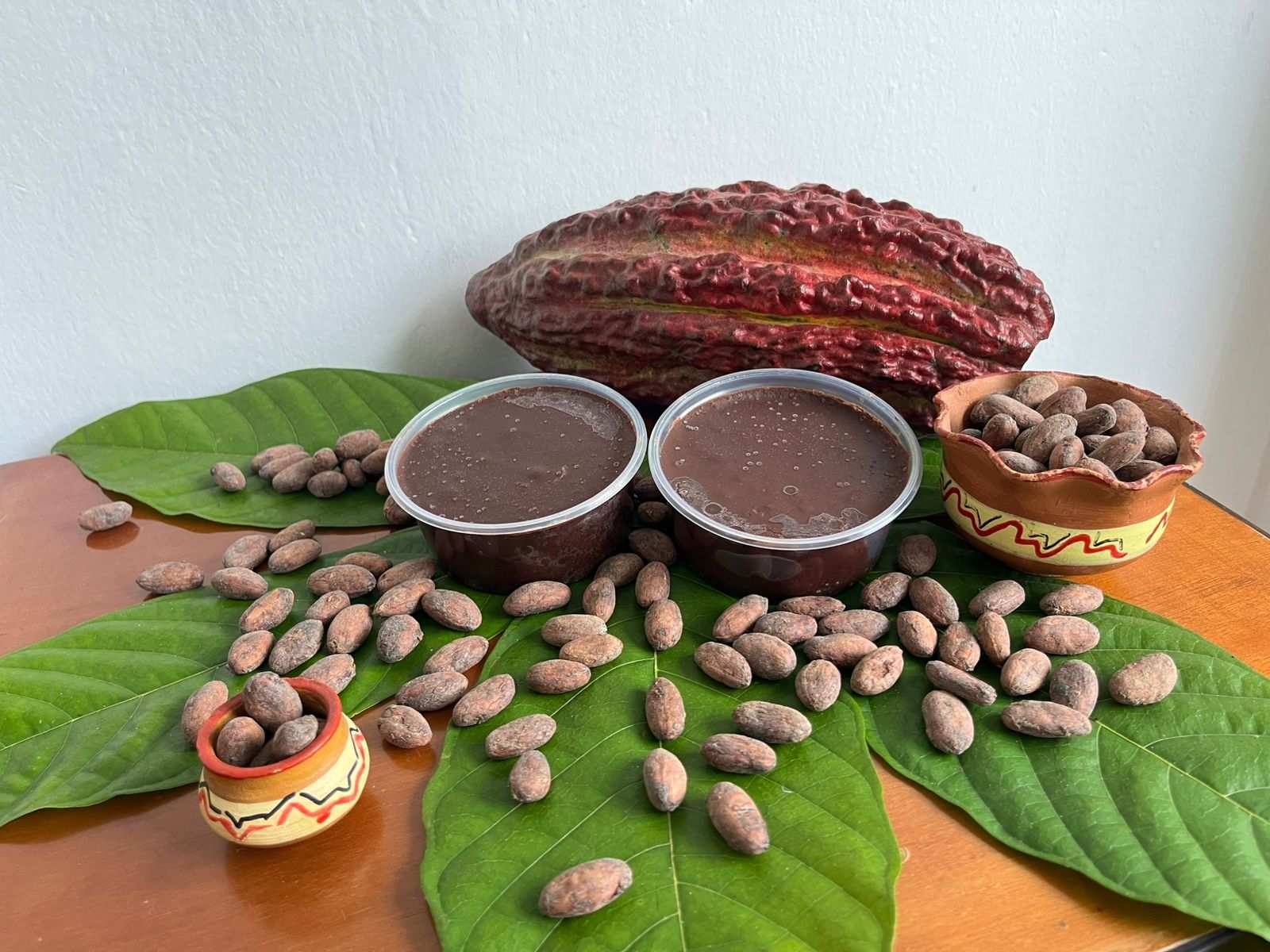
Our dry cacao beans, nibs, paste and pure cacao powder come from San José de Sisa, San Martín. Fermented in wood, sun-dried. Full traceability from the farm to your door.
Enquire about products See products →Keep reading