Keep reading
Origin · Sustainability
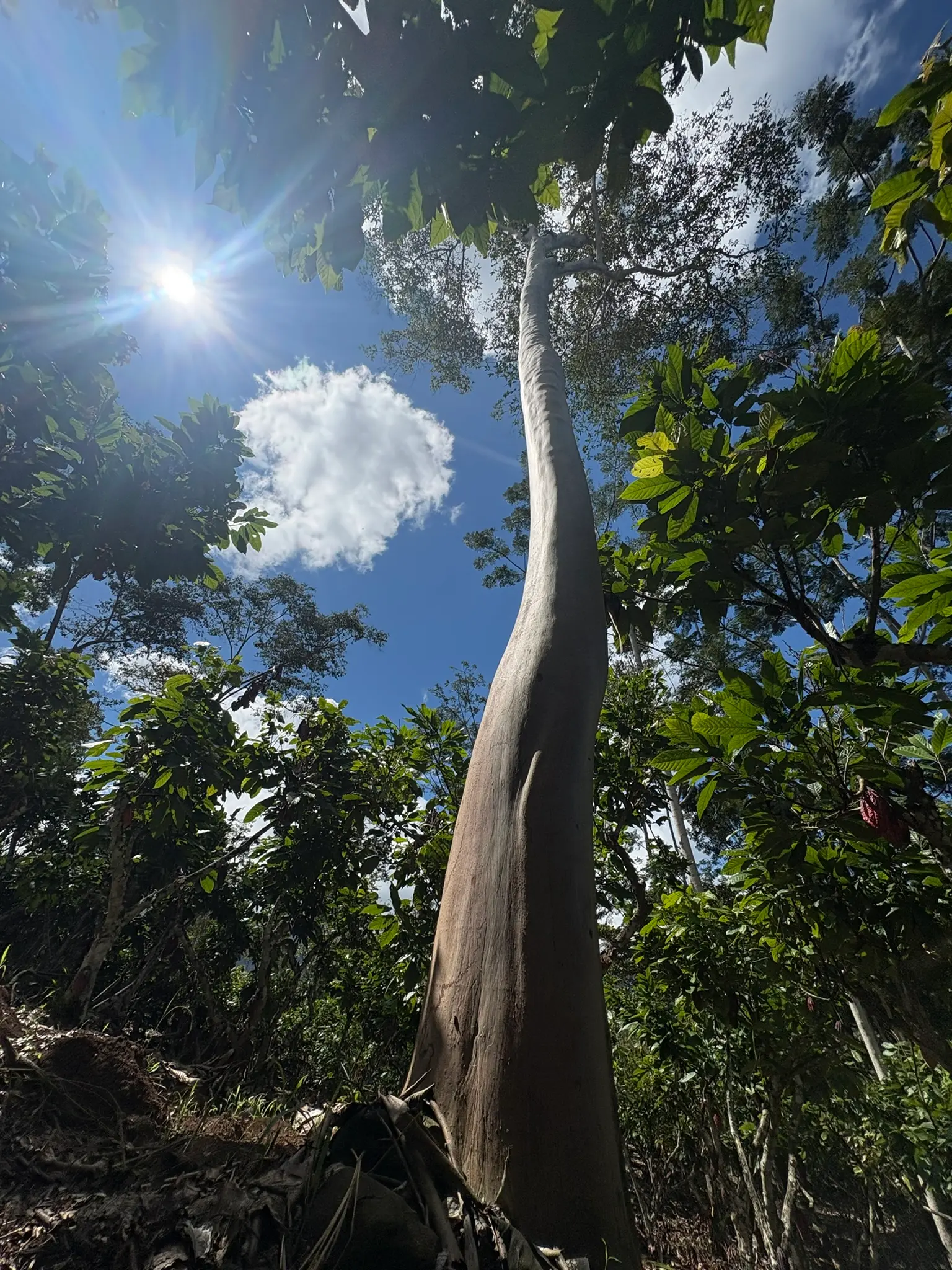
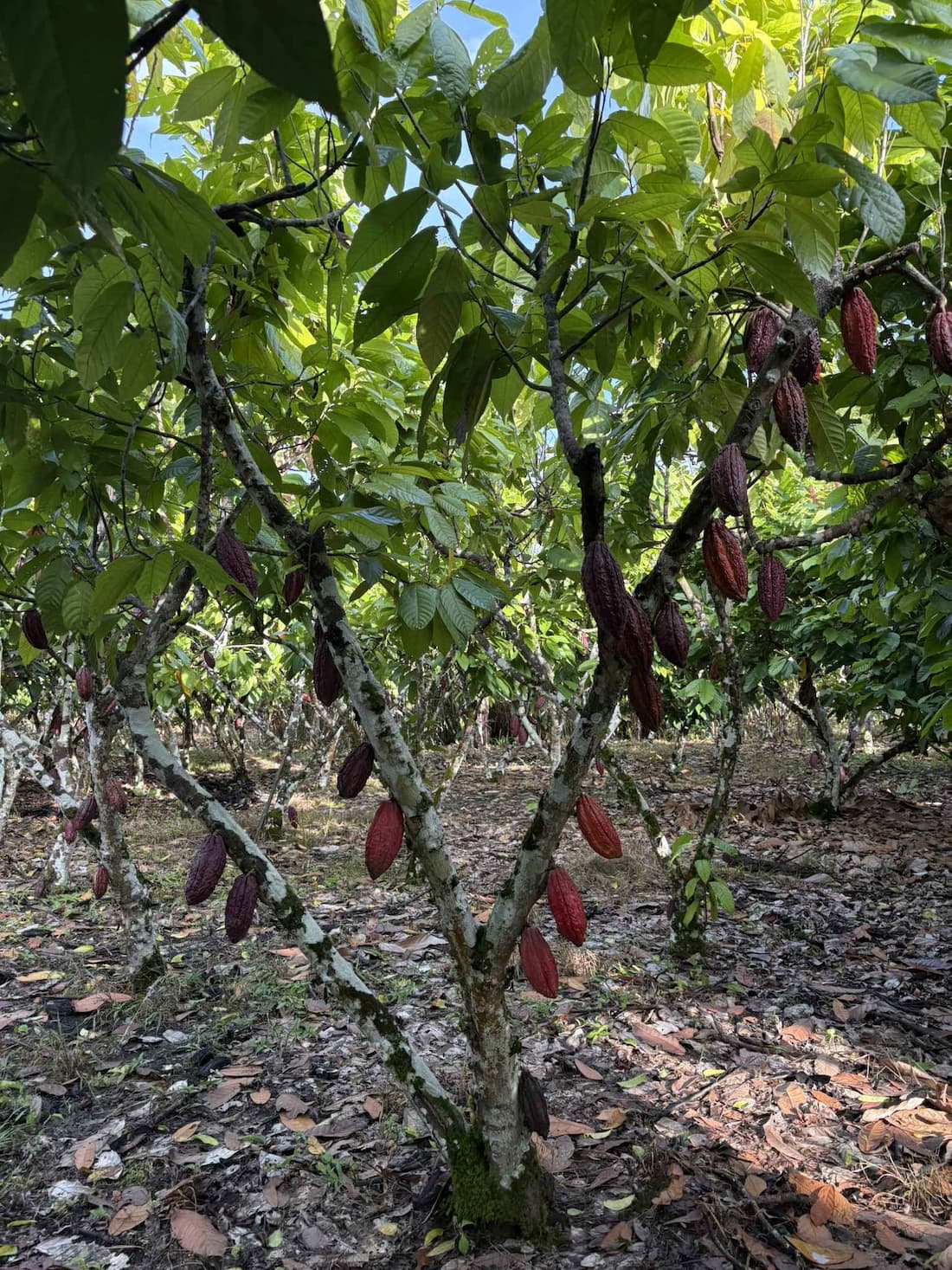
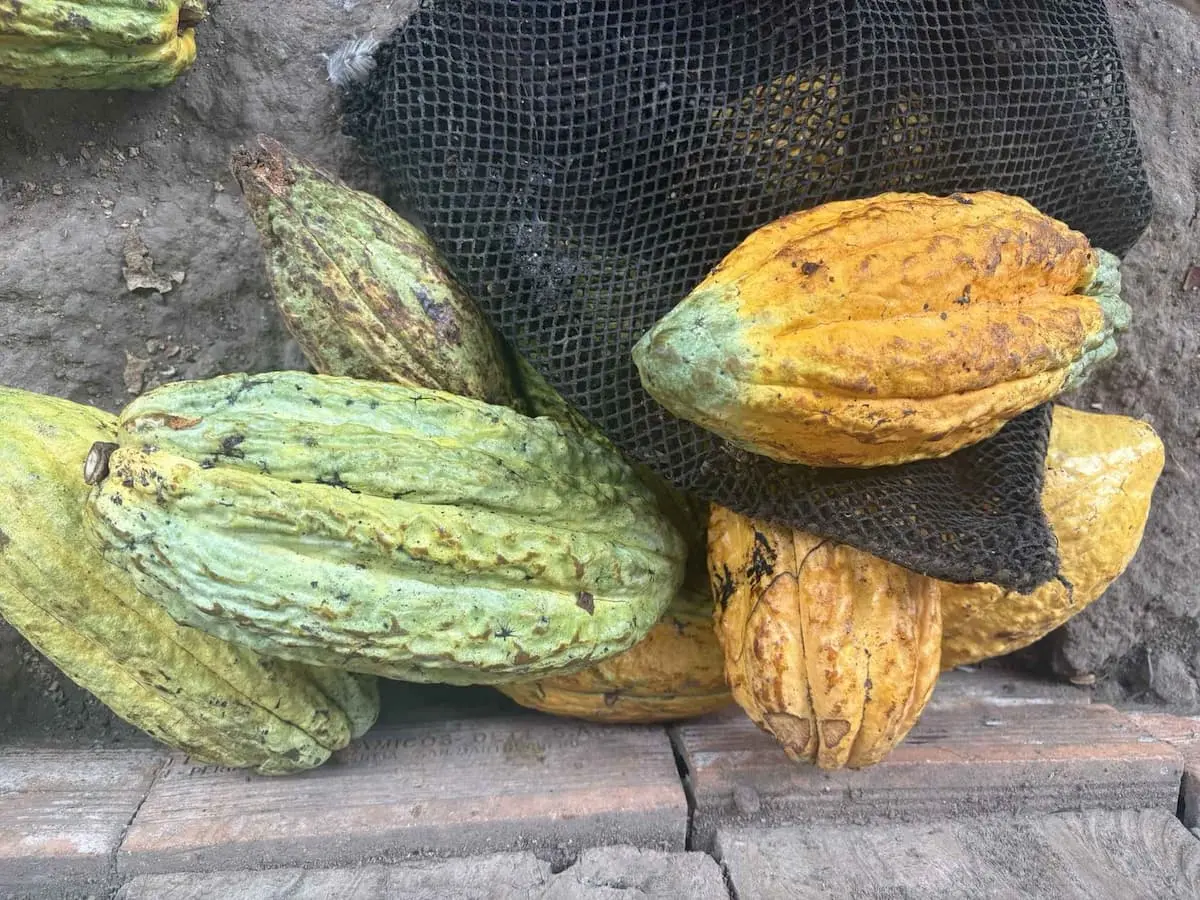
San Martín cacao isn't just genetics. It's landscape. The citrus trees (orange, mandarin, lime, Tahiti lemon), banana, papaya and timber trees growing alongside cacao plants aren't accidental — they form an agroforestry system that gives the bean its unique floral and fruity notes.
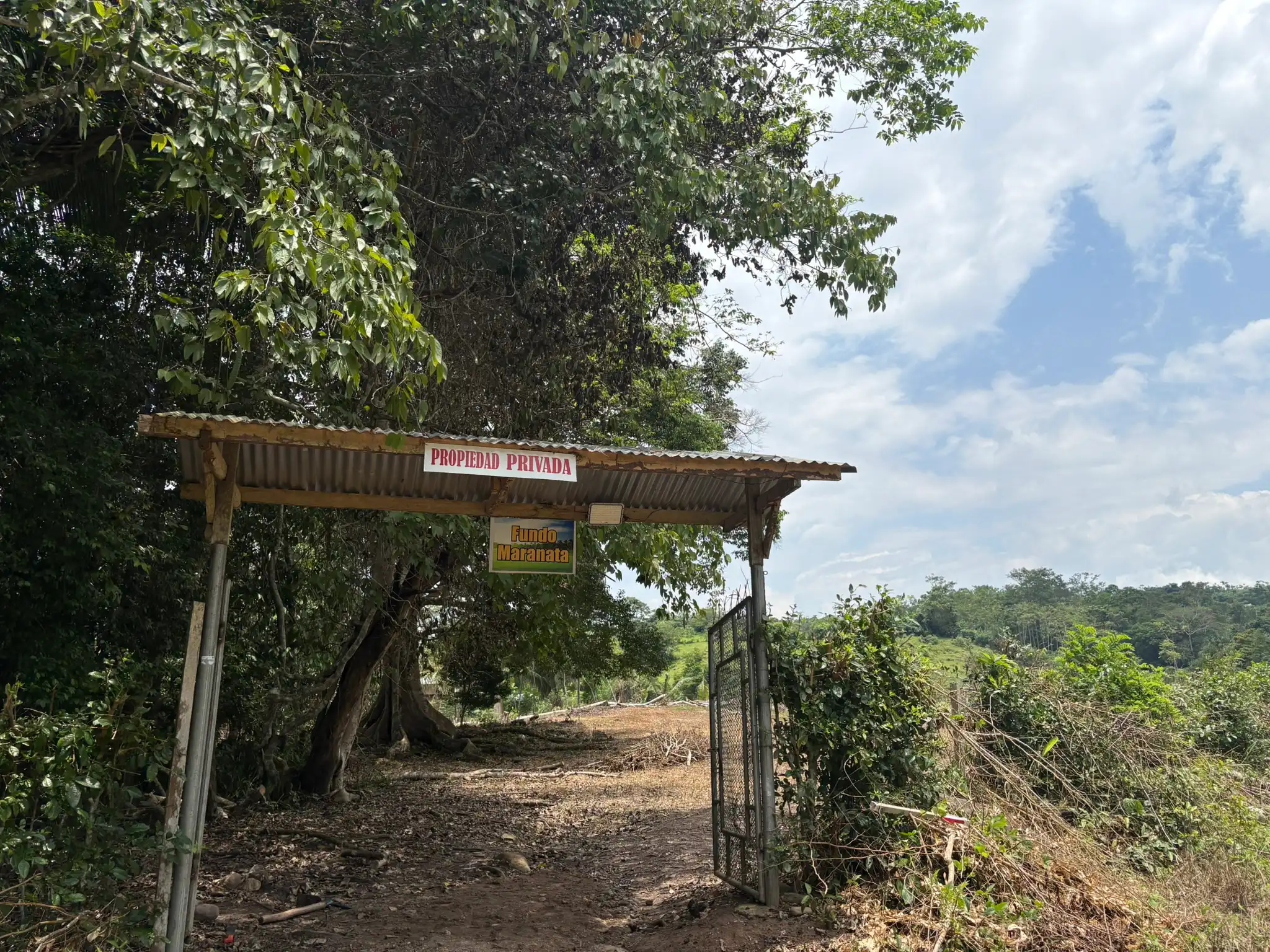
Cacao, like coffee or wine grapes, expresses its environment in its flavor. In San Martín, Fundo Maranatha farmers grow cacao in agroforestry systems where citrus (orange, mandarin, lime, Tahiti lemon), banana, papaya and timber trees like capirona and aguaje grow in the same plot.
This isn't just sustainability — it directly shapes the flavor profile. Partial shading extends pod maturation, concentrating sugars and aroma precursors. Organic matter from neighboring species and the agroforestry microclimate are associated with the fine acidity and floral notes of the bean.
Compiled from comparative cupping and specialist taster data. Relative values, not absolute.
Orange and mandarin. They enrich the shared soil and the plot microclimate.
Ideal partial shade for cacao. Decomposing leaves enrich the soil.
Tropical fruit that coexists with cacao. Its flowers attract insects and its low canopy supports the understory.
Capirona (native hardwood) and aguaje (palm) form the upper canopy regulating temperature and humidity.
Their organic matter and shade enrich the soil and microclimate, factors associated with the fine acidity of the bean.
Our beans, nibs and cacao paste come from agroforestry plots in San Martín. Every cup carries the fingerprint of this unique ecosystem.
Learn more View products →Keep reading