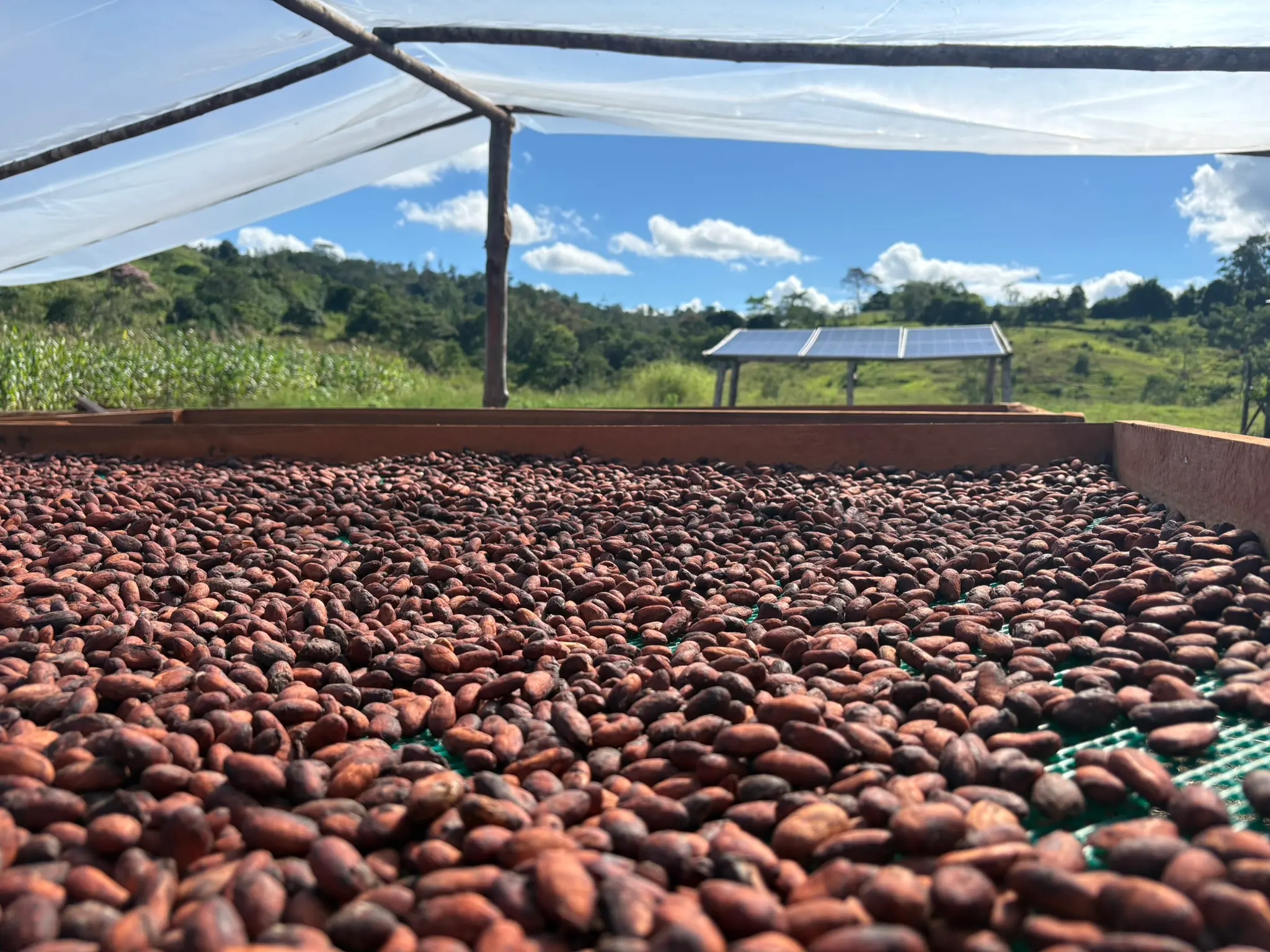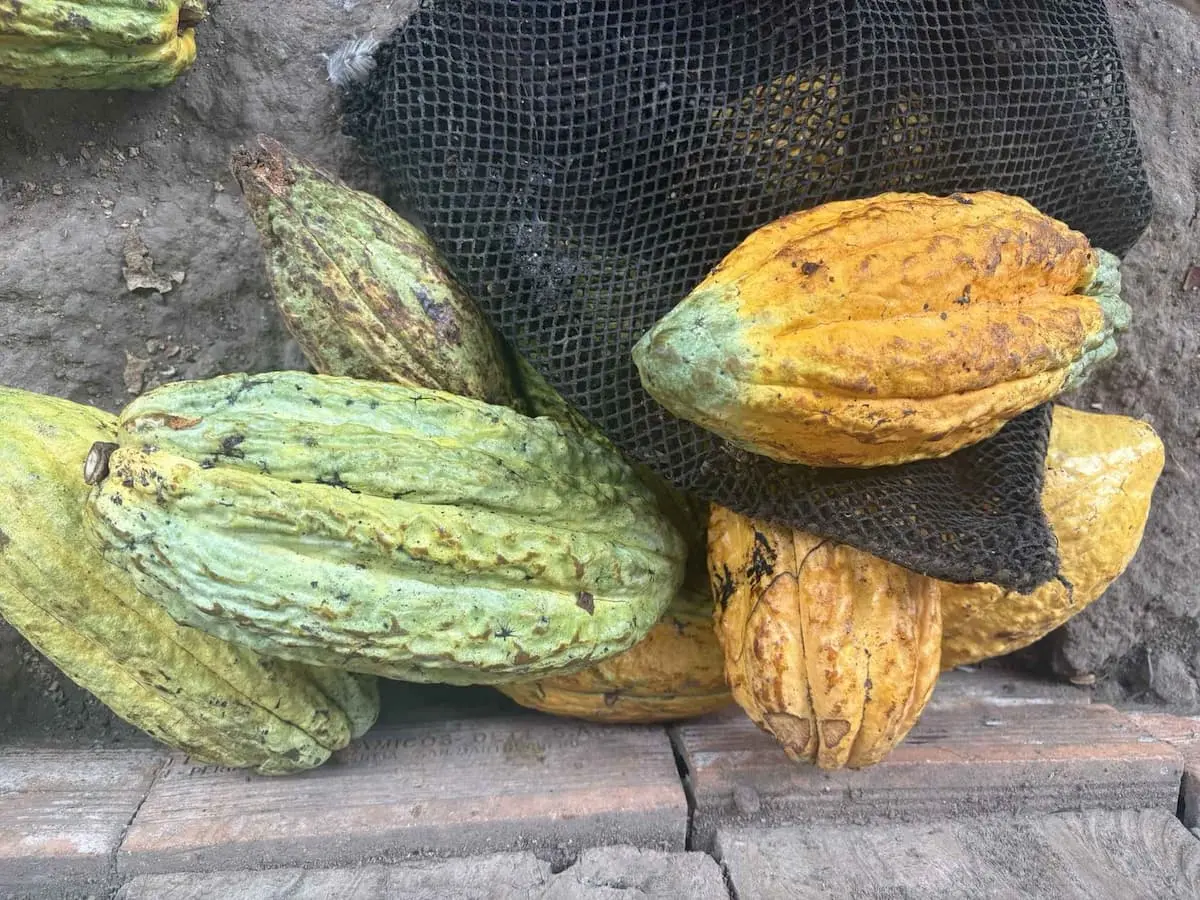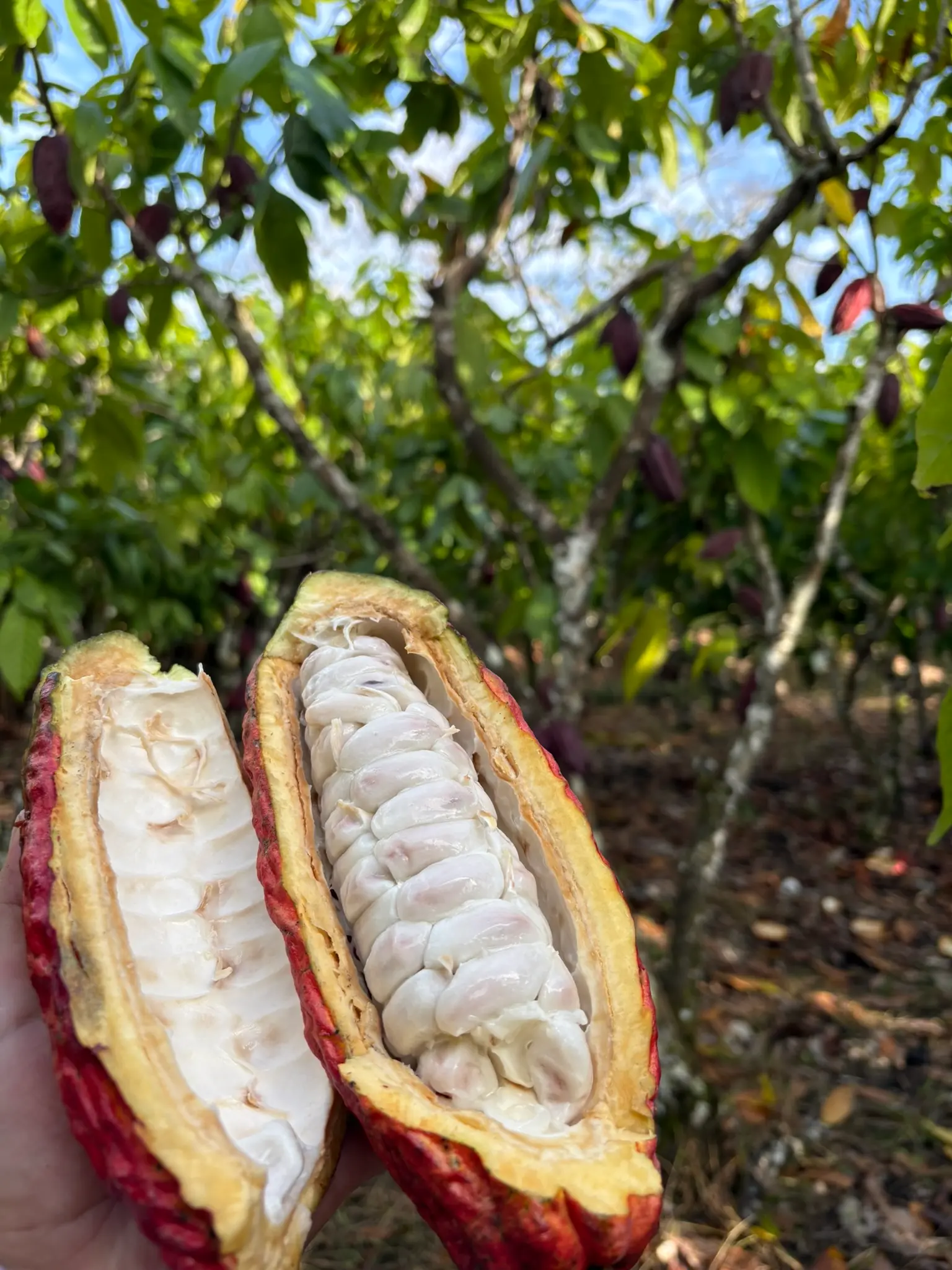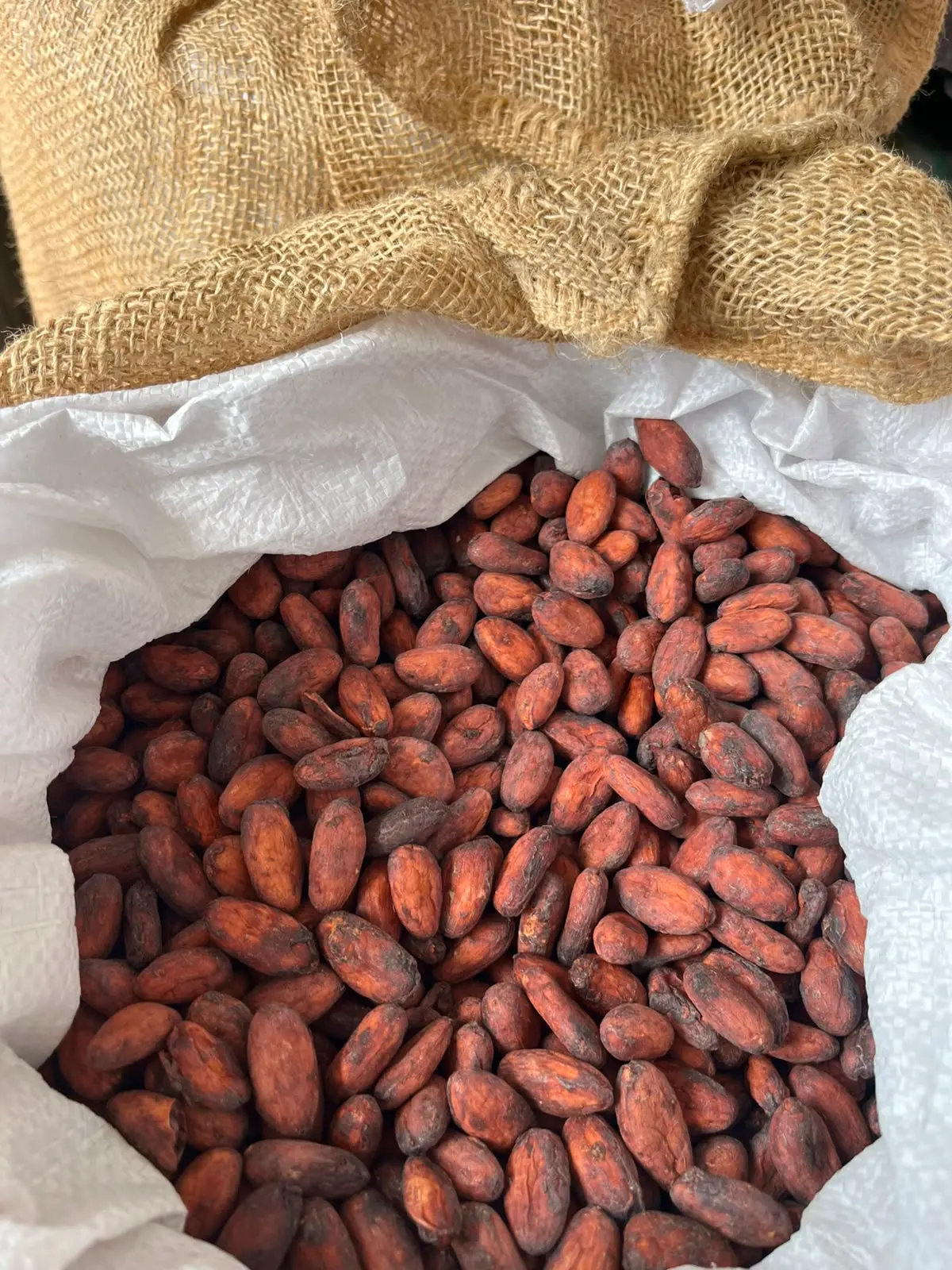
💡 Did your cacao arrive perfect and develop strange spots or lose its aroma a few weeks later? The problem is not the product — it is Lima's climate. With 80–95% relative humidity in winter, Peru's capital is one of the most challenging environments for natural foods. Our cacao is different because it arrives well-processed and well-dried — but the rest depends on how you store it.
Lima has one of the most particular climates in the world: high relative humidity (80–95% in winter), no rain, and temperatures that range between 15 and 28 °C depending on the season. To preserve natural foods like cacao, this humidity is the main challenge. A good product can spoil in weeks if it is not stored correctly. Here's how to avoid that.
1. The three enemies of cacao
Cacao, especially dried beans and nibs, absorbs moisture from the environment. When the internal humidity of the bean exceeds 7–8%, cacao becomes vulnerable to mold and fungus growth. In addition, humidity activates enzymes that can degrade the aroma compounds developed during fermentation, altering the flavor.
2. The ideal container: airtight glass jar
| Container | Works | Note |
|---|---|---|
| 🫙 Airtight glass jar | Ideal | Does not transfer odors, does not react with cacao |
| 🥡 Airtight plastic | Acceptable | May transfer slight flavors over time |
| 👜 Fabric bag | Not recommended | Does not protect from humidity or odors |
| 🪣 Container without seal | Not recommended | Direct exposure to Lima's humid air |
3. Temperature: cool, not cold ❄️🚫
Cacao stores well at room temperature in Lima (18–24 °C) as long as it is protected from humidity. It is not necessary or advisable to refrigerate it for several reasons:
💡 Tip: If you live in Miraflores or San Isidro near the sea (areas with extreme humidity), store cacao in the interior of the apartment, away from windows and the floor.
4. Fat bloom: what it is and why you should not worry
Fat bloom is the most common phenomenon buyers of pure cacao see and it causes the most confusion. It appears as a grayish film or white spots on the surface of nibs or cacao paste.
What causes it? When temperature varies (for example, if cacao was refrigerated and then returned to room temperature), cocoa butter — which is solid at room temperature — melts partially and re-solidifies in a different crystalline form, reflecting light differently and appearing white or gray.
💡 Fat bloom is NOT mold. It is not dangerous. The cacao is still perfectly safe to consume. It only slightly changes the texture (it may become grainier) and the appearance. If you melt it or use it in a recipe, the bloom disappears completely.
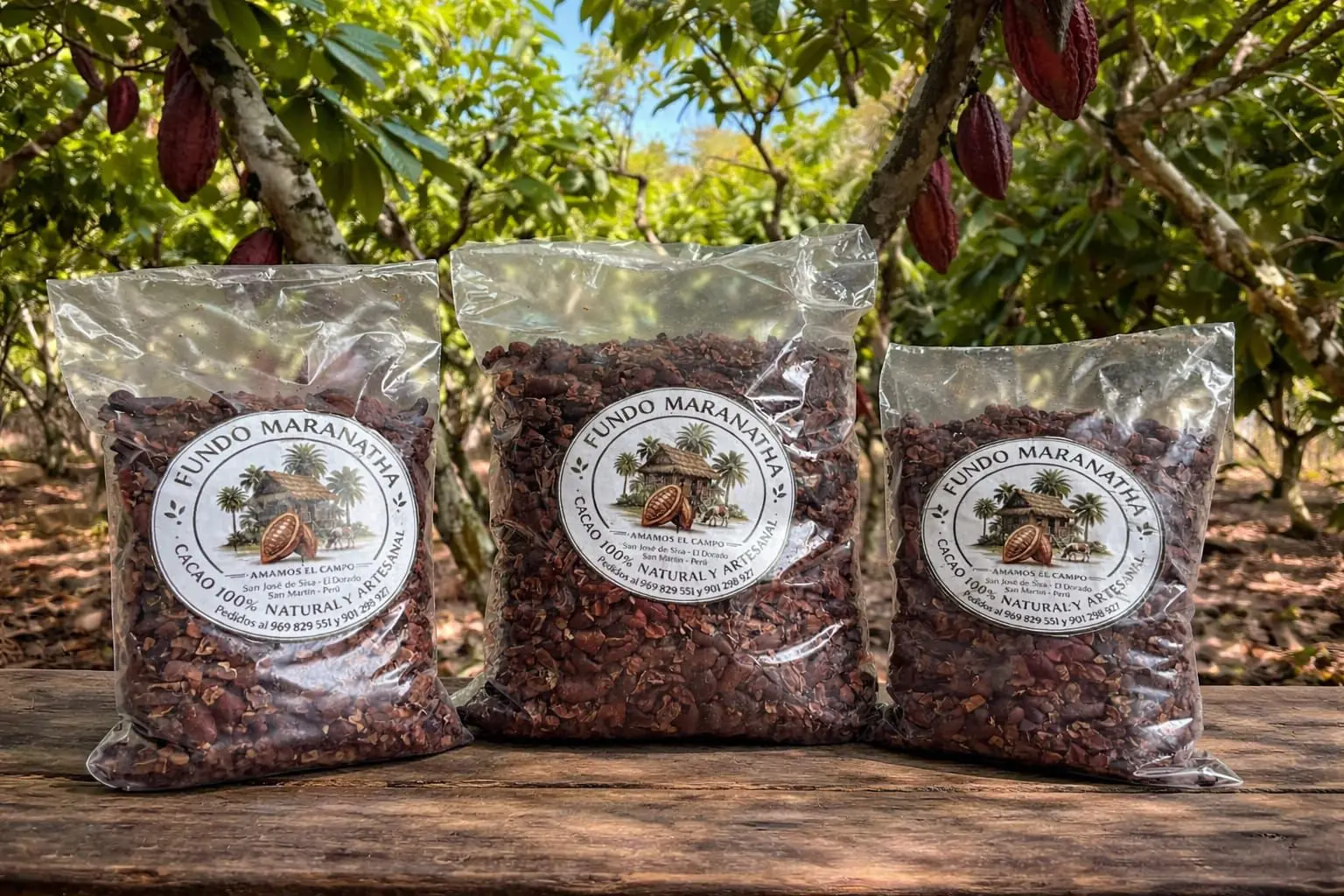
5. Product guide: how long they last and how to store them
| Product | Duration | Storage key |
|---|---|---|
| 🫘 Dried beans | Up to 12 months | Most stable — the shell protects the interior |
| 🟤 Roasted (peeled / unpeeled) | 6–9 months | Airtight jar, no direct light |
| ✨ Cacao nibs | 6–9 months | Use a dry spoon to portion (no moist fingers) |
| 🍫 Cacao paste | 9–12 months | Cocoa butter acts as a natural preservative. Cut with clean, dry knife |
6. Signs that cacao is no longer good
| What you see / smell | What it is | Safe to eat |
|---|---|---|
| White or gray spots, no odd smell | Fat bloom (recrystallized butter) | ✅ Yes, completely safe |
| Green, black, or fuzzy spots | Real mold | ❌ No — discard |
| Rancid, sour, or strange smell | Oxidation or mold | ❌ No — discard |
| Sticky or viscous texture | Moisture absorption | ❌ No — discard |
Have questions about your cacao or want to order more?
Write to us on WhatsApp with any questions about storage, uses, or orders. We ship to Lima and deliver across Peru.
Ask on WhatsApp See all products →